
Coupang checkout foreigners Korea rely on for groceries, household items, and next-day delivery fails more often than most people expect. You open the app, fill the cart, enter your card number — and the payment page either loops back to the start or shows an error in Korean you can’t read. The app itself works. The problem is what happens between “confirm order” and “payment complete.”
Most of this comes down to how Korean e-commerce platforms verify who you are before they charge your card. It’s not a simple card-processing issue. Coupang’s checkout ties into Korea’s national identity verification system (본인인증), which was built around Korean phone numbers, Korean-issued bank cards, and resident registration numbers. If you’re missing any one of those, the system doesn’t just limit features — it blocks the transaction entirely.
This article walks through the three specific points where Coupang checkout foreigners Korea encounter blocks, explains the system-level reason behind each one, and covers the realistic options you have depending on your visa and documentation status.
Why Checkout Fails Even When Your Card Works Elsewhere
A Visa or Mastercard that works at Korean convenience stores, restaurants, and subway ticket machines can still get rejected at Coupang’s payment screen. The reason is that in-store payments and online payments in Korea go through completely different systems.
Physical card terminals process transactions through international networks. When you tap or insert a foreign card at a CU or GS25, the terminal contacts the card’s issuing bank directly. Online payments in Korea don’t work that way. Korean e-commerce platforms route transactions through domestic payment gateways (PG사) like KG Inicis, NHN KCP, or Toss Payments. These gateways require an extra verification step before they authorize any charge — and that step almost always involves a Korean-registered identity.
So the card itself isn’t the problem. The payment gateway sitting between your card and Coupang is what stops the transaction. If you’ve experienced foreign card payment blocks in Korea at other online stores, the same structure applies here — except Coupang adds one more layer of verification on top.
One thing that confuses people: Coupang sometimes accepts a foreign card for the first item or two, then blocks subsequent orders. That happens because some low-value transactions skip the full identity check. Once the system flags your account for higher verification, every future purchase requires it. There’s no way to predict when that threshold kicks in.
How Korean Identity Verification Blocks Coupang Checkout Foreigners Korea Use
The core issue behind Coupang checkout foreigners Korea struggle with is 본인인증 (identity verification). This is Korea’s national system for confirming that the person making an online transaction is who they claim to be. It’s not unique to Coupang — Korean banks, government portals, and most major platforms use it. But Coupang enforces it more strictly than many other shopping apps.
본인인증 works through three main methods, and all three create problems for foreigners:
1. Phone-based authentication (휴대폰 인증)
The most common method. The system sends an SMS code to a Korean phone number that’s registered under your real name with a Korean carrier (SKT, KT, or LG U+). A tourist SIM, a prepaid SIM without real-name registration, or a phone number from your home country won’t work. This same structure is what causes phone number verification failures for foreigners in Korea across many services.
2. PASS app authentication (PASS 앱 인증)
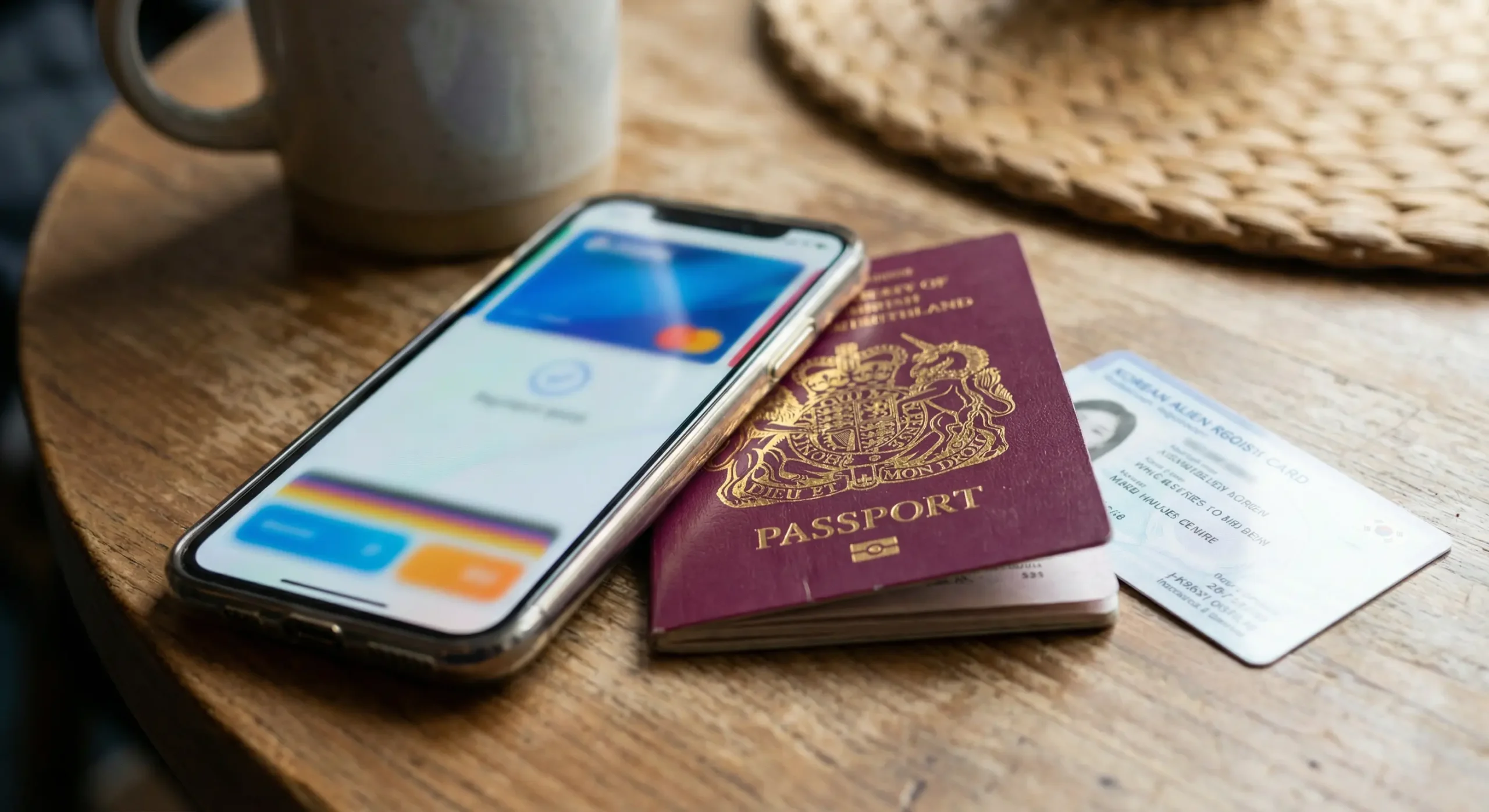
PASS is a mobile identity app operated by Korea’s three major carriers. It works as a digital ID for online verification. The problem: registering for PASS requires a Korean phone number under real-name registration AND either a Korean resident registration number or an Alien Registration Card (ARC/외국인등록증). If you’ve already had trouble with the PASS app as a foreigner in Korea, the same barriers apply at Coupang’s checkout.
3. Bank certificate authentication (공동인증서)
Some platforms accept a certificate issued by your Korean bank. This requires an active Korean bank account with internet banking enabled — which itself requires an ARC and a Korean phone number. According to Korea’s Financial Services Commission, digital certificate standards for online transactions are governed by the Electronic Financial Transactions Act, which ties certification to resident identification.
All three paths lead back to the same dependencies: a Korean phone number under real-name registration, and in most cases, an ARC. Short-term visitors without an ARC are effectively locked out of Coupang checkout foreigners Korea depend on for daily shopping.
Common Mistakes When Ordering on Coupang as a Foreigner
The checkout failure itself is frustrating enough, but most foreigners also waste time on workarounds that don’t actually solve the underlying problem. Here are the patterns that come up repeatedly:
Trying different cards from the same foreign bank. If your Visa gets rejected, switching to your Mastercard from the same issuing bank won’t help. The block isn’t about card networks — it’s about the payment gateway’s identity check. The gateway doesn’t care which card brand you use. It cares whether your account has passed 본인인증.
Using a tourist SIM phone number for the verification step is another dead end. Coupang’s verification system checks whether your phone number is registered under a real-name contract with a Korean carrier. Tourist SIMs and short-term prepaid plans don’t have real-name registration tied to them. The SMS code simply never arrives — or if it does, the system rejects the number at the next step. This is the same mechanism that blocks many payment processes for foreigners in Korea.
Creating a new Coupang account with a different email doesn’t reset anything either. The verification requirement is tied to the payment step, not the account. A fresh email address still hits the same identity wall at checkout.
One more pattern worth knowing: asking a Korean friend to place the order under their account. This technically works for one-time purchases, but it creates complications with delivery addresses, returns, and refund routing. If the order needs to be cancelled, the refund goes to the Korean account holder’s payment method, not yours. Coupang’s customer service also won’t discuss order issues with anyone other than the account owner.
What to Do When Coupang Keeps Blocking Your Order
Your options depend almost entirely on two things: whether you have an ARC, and whether you have a Korean phone number with real-name registration. Here’s how the situation breaks down:
If you’re a short-term visitor (no ARC, no Korean phone plan):
Standard Coupang checkout foreigners Korea tourists try will not work for you. Foreigners in this situation typically end up on Coupang Global (쿠팡 글로벌) — a separate section of the app designed for international cards and foreign addresses — or other platforms that accept foreign payment methods. Gmarket Global and iHerb Korea process international Visa and Mastercard without Korean identity verification. The product selection is more limited than regular Coupang, but the checkout actually completes.
If you have an ARC but no Korean bank card yet:
The gap is smaller than it seems. With an ARC, you can register a Korean phone number under your real name, which unlocks phone-based 본인인증. From there, opening a Korean bank account typically gives you a domestic debit card that Coupang’s payment gateway is designed to accept. The bank account opening process for foreigners in Korea typically takes one branch visit with your ARC and passport.
If you have an ARC + Korean phone + Korean bank card:
You should be able to complete Coupang checkout. If it’s still failing, the issue is usually that your phone number hasn’t been linked to your ARC in the carrier’s system. Visit your carrier’s store (SKT, KT, or LG U+) and confirm that your contract shows your ARC number as the identity document. Sometimes the real-name registration (실명인증) is incomplete even though the phone plan is active. The online verification process in Korea depends on this link being complete in the carrier’s database.
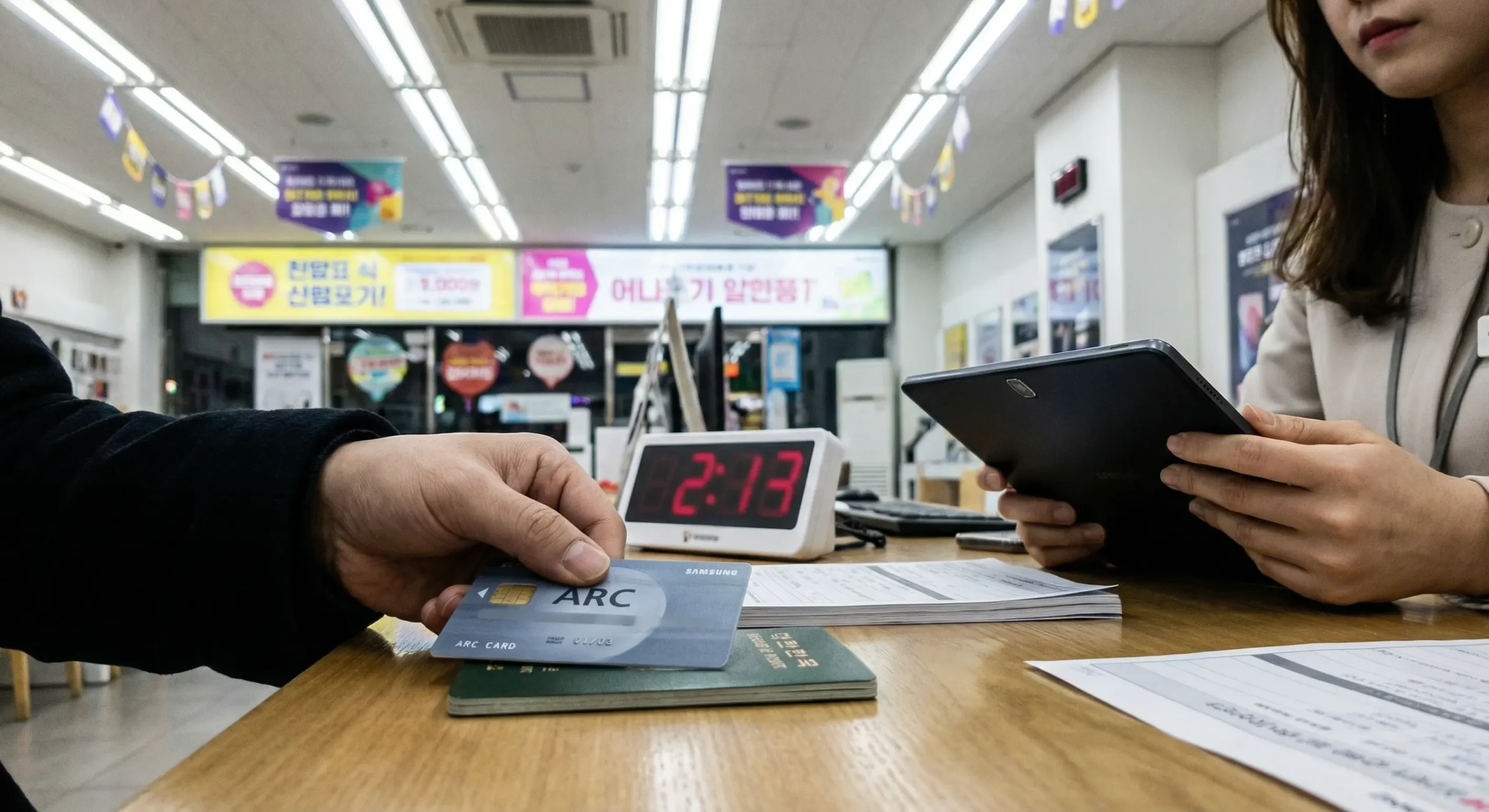
Korea’s Ministry of Science and ICT oversees the telecommunications identity verification framework that Korean e-commerce platforms depend on. The real-name registration requirement for phone contracts is a regulatory mandate, not a carrier-level policy — which is why no carrier can waive it.
Checklist Before Retrying Coupang Checkout
Before you attempt Coupang checkout foreigners Korea use again, run through these points. Missing even one of them can cause the same failure loop:
☐ Your phone number is registered under your real name (not a tourist or prepaid SIM without identity registration).
☐ Your carrier (SKT, KT, LG U+) has your ARC number linked to your phone contract — not just your passport number.
☐ You have a Korean-issued bank card (debit or credit) registered to the same name as your phone contract.
☐ Your Coupang account phone number matches the number registered with your carrier under real-name verification.
☐ You’ve completed 본인인증 at least once inside the Coupang app (Settings → Identity Verification).
☐ If using PASS app: your PASS registration is active and linked to your current phone number and ARC.
☐ If none of the above applies to your situation, you’ve switched to Coupang Global or an alternative platform that accepts international payment methods.
FAQ — Coupang Checkout Problems for Foreigners
Can I use PayPal or Apple Pay on Coupang?
Standard Coupang (domestic) does not accept PayPal or Apple Pay for most transactions. Coupang Global may support limited international payment methods, but availability changes depending on the product category and seller. The domestic Coupang checkout foreigners Korea residents use requires a Korean-issued card or a card processed through a Korean payment gateway with completed identity verification.
Why does Coupang work for some foreigners but not others?
The difference usually comes down to documentation status. Foreigners with an ARC, a real-name registered Korean phone number, and a Korean bank card can use Coupang the same way Korean users do. Those without one or more of these pieces hit verification walls. Some users report that certain low-value orders go through on foreign cards, but this is inconsistent and depends on the payment gateway’s risk threshold at the time of purchase. If you’re also experiencing blocks on other platforms, the broader payment landscape for foreigners in Korea explains the pattern.
Does Coupang Rocket Delivery work with international cards?
Rocket Delivery (로켓배송) is a fulfillment feature, not a payment method — but accessing it requires completing standard Coupang checkout. If your payment is blocked, Rocket Delivery items are also inaccessible. The block happens at the payment step, before delivery options even apply. Coupang Global offers its own delivery options for orders placed with international cards, though delivery speed and product availability differ from the domestic Rocket Delivery catalog.
Conclusion
Coupang checkout foreigners Korea face isn’t broken because of your card or your app settings. It’s blocked by a national identity verification system that Korean platforms are required to use — and that system wasn’t designed with foreign users in mind.
If you have an ARC and a real-name registered Korean phone number, the path to working Coupang checkout is generally straightforward: a Korean bank card and completed 본인인증 usually resolve the issue. The whole process usually resolves in one or two days of setup.
If you don’t have those documents, Coupang Global or alternative platforms like Gmarket Global are the reliable workaround. They exist specifically because regular Coupang checkout foreigners Korea visitors try is structurally inaccessible without Korean identity credentials. From there, once your documentation is in order, switching to full Coupang access takes one verification step inside the app.