
Getting a Korean phone number without ARC is one of the first practical steps most foreigners take after arriving in Korea. You pick up a SIM card at the airport or a convenience store, activate a local number, and assume you’re ready — banking apps, delivery platforms, messaging services, all of it. Calls go through. Texts arrive. Everything seems fine.
Then you open a banking app and the verification screen rejects you. Baemin won’t send a code. KakaoTalk authentication stalls partway through. The confusing part is that you do have a working Korean number. The problem isn’t whether the number functions — it’s how that number is registered in the identity system behind the service.
This article explains why a Korean phone number without ARC often runs into verification walls that have nothing to do with network coverage or typos. It covers which services are most commonly affected, what the system is actually checking for, and what you can realistically do during the gap period before your ARC card arrives. If you’ve already hit one of these blocks, the breakdown below should clarify what’s actually happening behind the screen.
Why Korean Phone Registration Works Differently Without ARC
Korea’s telecom identity system is built around a single idea: your phone number should be traceable to a verified legal identity. For Korean nationals, that identity is their resident registration number (주민등록번호, jumin deungnok beonho). For foreign residents who stay long-term, it’s the ARC number — the unique identifier printed on the Alien Registration Card.
When you purchase a prepaid SIM or tourist SIM in Korea, the number gets registered using your passport information instead. That’s a legitimate registration — your number is in the telecom system, calls work, texts work, data works. But passport-based registration occupies a different category within the carrier database than resident-linked registration. And many Korean verification systems aren’t designed to read that category.
This is why a Korean phone number without ARC linkage can fail at the verification stage for services that require identity confirmation beyond basic connectivity. The number exists in the system — it just isn’t connected to the type of identity record that Korean apps and financial platforms expect to find when they run a check.
This isn’t a technical error or a policy quirk that’s going to be patched. It reflects how Korea’s digital identity infrastructure was built: primarily for people with resident registration records going back years. Services designed later inherited those assumptions. So the same number that works perfectly for a phone call triggers a rejection on a banking app, and understanding why helps you approach the gap period more practically.
Services That Most Often Reject Numbers Without ARC
Not every Korean app runs a deep identity check. Some services simply send an SMS code to confirm the number is active, and those generally work fine with any registered Korean number. The problems concentrate in a specific category — services that need to connect your phone number to a verified legal identity before granting access.
Banking and financial apps are where the issue tends to be most acute. Korean banks use a real-name verification process (실명확인, silmyeong hwagyin) that cross-references your phone number with national identity records through the carrier. A Korean phone number without ARC in the system won’t pass this check at most major banks — even if you’ve already opened a branch account in person using your passport. The app and the branch operate on different verification systems, and only one of them checks the telecom layer.
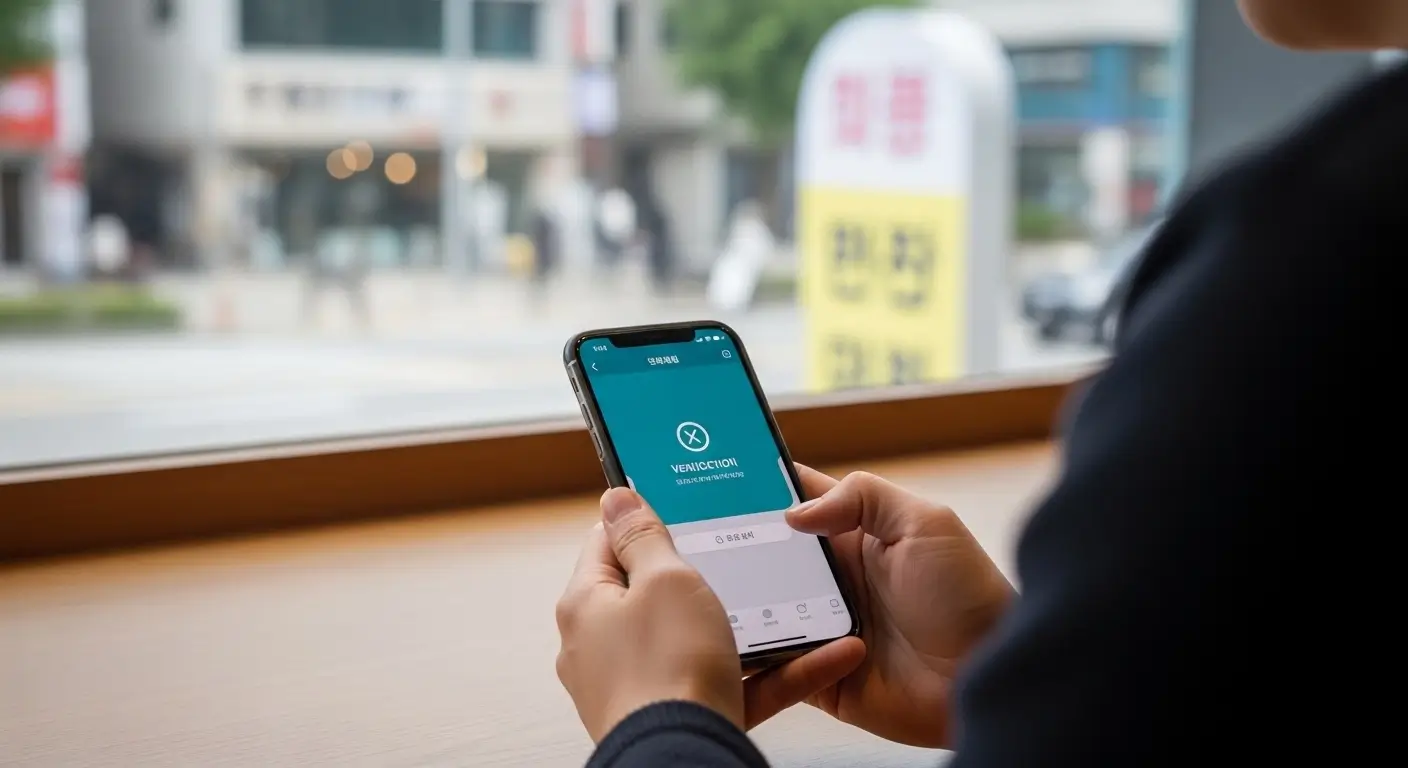
Delivery apps like Baemin (배달의민족) and Coupang Eats can also present issues, particularly at the account creation stage when the platform runs a carrier check on new sign-ups. Some foreigners have managed to create accounts during periods when these checks were less strict, but results vary by app version and timing — it’s not a reliable workaround.
KakaoTalk deserves its own mention. Its setup process uses carrier-based identity verification (통신사 본인인증, tongshinsa bonin injeung), which confirms that your number is registered under your legal name in the telecom system. A tourist SIM registered under passport data that doesn’t match Korean identity record formats can fail this step. The deeper mechanics are covered in the article about why KakaoTalk verification fails for foreigners in Korea.
Other commonly affected services include government app portals requiring identity confirmation, PASS (패스) — the carrier-based authentication system used across many Korean platforms — some healthcare apps, and any platform that uses carrier identity verification as its primary login security method. The underlying issue is the same across all of them: they’re looking for a connection between your phone number and a Korean-format identity record, and a Korean phone number without ARC registration doesn’t provide that connection.
How Telecom Identity Verification Works in Korea
Korea uses a carrier-based authentication system that most countries don’t have in the same form. When a Korean app needs to confirm a user’s identity, it typically routes this through one of the three major carriers — KT, SK Telecom, or LG U+ — rather than directly querying a government database. The carrier checks whether the number is registered under the claimed identity, then passes a confirmation or rejection back to the app.
For Korean nationals and long-term foreign residents with ARC cards, this process works smoothly. Their numbers are registered using the same identity system that both carriers and apps understand, so the check passes automatically. The challenge with a Korean phone number without ARC registration is that the passport-based record sits in a different section of the carrier database — one that certain verification APIs don’t read when running identity checks.
Some carriers handle foreign registration more completely than others. Foreigners on postpaid contracts with major carriers who registered using their ARC number tend to have fewer verification problems. Those on tourist SIMs, short-term prepaid plans, or MVNO (가상이동통신망, gasang idong tongsinmang — virtual network) plans registered with passport data alone encounter rejections more often. The plan type and the registration method both matter, not just whether the number is Korean.
For a broader picture of how this connects to general verification challenges in Korea, the article on phone number verification in Korea for foreigners covers the underlying system in more detail. The ARC dimension is one layer of a broader pattern affecting how foreign identity is processed across multiple services.
Korean Phone Number Without ARC vs ARC-Linked Numbers: What Actually Changes
Once your ARC card arrives and you update your telecom registration to include the ARC number, the same phone number often starts working where it previously failed. In many cases, you don’t need a new SIM card. Visiting the carrier store with your ARC and passport and requesting a registration update is frequently enough to resolve the problem.
The difference between a Korean phone number without ARC and an ARC-linked number isn’t the number itself — it’s the identity record attached to it in the carrier’s system. After the update, the carrier-based verification API can locate your identity information, and apps that previously rejected you can process verification successfully. The same number, functioning in a fundamentally different way for verification purposes.
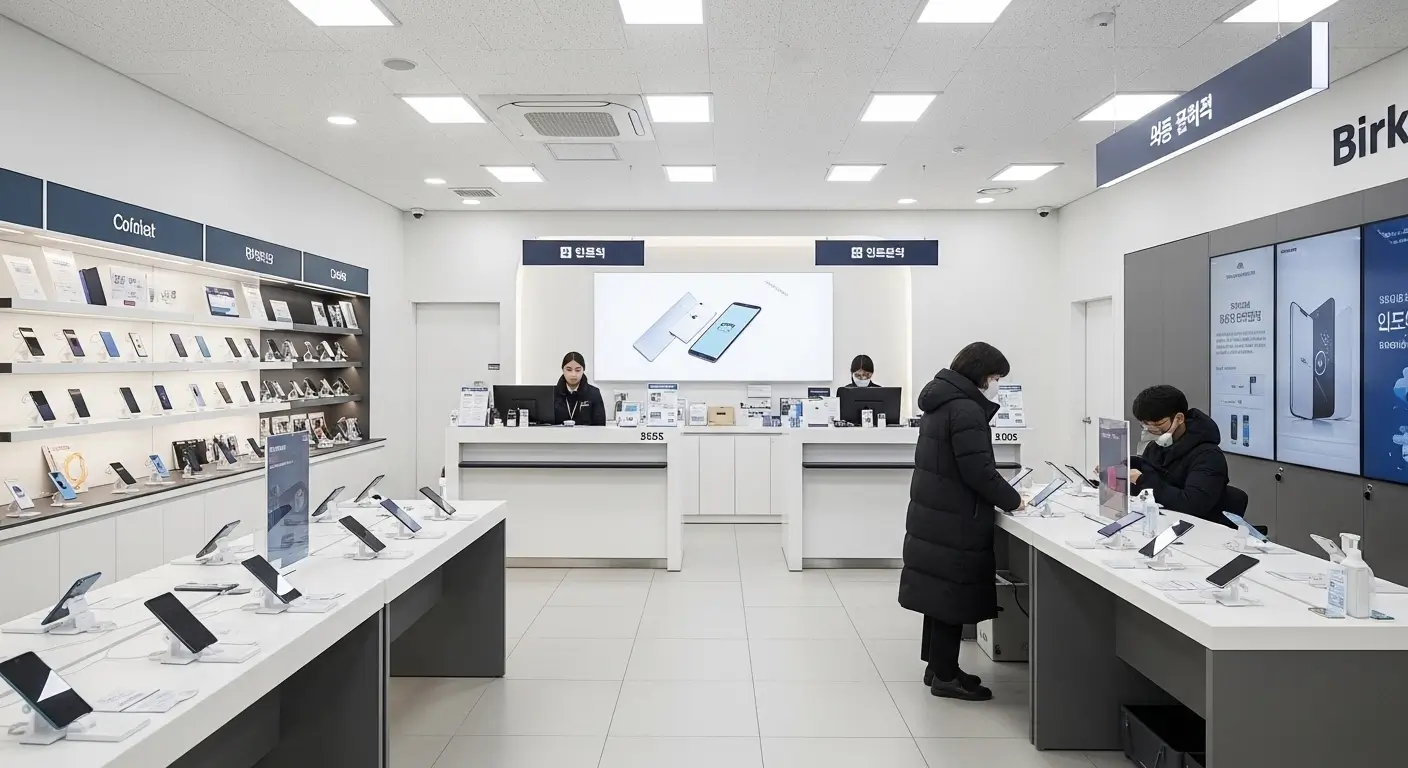
There are a few practical points worth knowing about this transition. Not all carriers handle the registration update the same way — some require an in-person visit, others can process it through their app or website if you already have an account. After updating, the change may take 24 to 48 hours to propagate through the system before verification starts working reliably on all apps. Testing one app immediately after the update and concluding it didn’t work is a common premature conclusion.
If you’re on a tourist SIM or a prepaid plan that doesn’t support ARC-based registration, you may need to switch plans or carriers entirely rather than simply updating your existing registration record. This is worth checking with your carrier before your ARC arrives, so you know in advance whether an update is possible or a plan change is required.
If you’re still waiting on your ARC and trying to understand why it hasn’t arrived yet, the article on ARC card delays in Korea covers the most common reasons the process takes longer than expected. How quickly ARC-linked verification becomes available depends directly on when the card is actually issued and processed.
What You Can Realistically Do Before Your ARC Arrives
The most consistent pattern among foreigners who navigate the ARC gap period without serious disruption is adjusting expectations about which services are accessible, rather than trying to push through verification on systems that won’t accept a Korean phone number without ARC linkage. It’s a frustrating framing, but it tends to produce less damage than attempting workarounds that partially succeed and create messy account states.
For banking, setting up an account that accepts passport-based registration during your initial branch visit — and accepting that certain app features won’t be available until ARC registration is linked — is usually the lower-friction path. Several banks have foreigner-specific account types that accommodate limited verification in the early period. The specifics of what delays and what works is covered in the article on opening a bank account in Korea as a foreigner.
For apps that require carrier verification at the account creation stage, it’s sometimes worth waiting until after ARC registration rather than creating an account under incomplete verification that may need to be re-verified later. KakaoTalk is a particular example here — re-verifying an account that was created under a different registration state isn’t always straightforward, and the process can require going through customer support rather than in-app steps.
Keeping your home country number active as a backup during this period is worth considering for services that allow login via email or international number format. Some platforms give you access to basic features through those routes while Korean carrier verification remains unavailable. It won’t unlock everything, but it avoids a situation where you have no working verification method for any service at all.
Choosing a SIM plan that supports ARC-based registration from the beginning also shortens the gap period. If you’re already on a plan that allows the registration update, the process is straightforward once your card arrives. If you’re on a tourist SIM that doesn’t support the update, a plan change is required — which sometimes means a new number. For guidance on which plans handle foreigner registration more completely, the article on choosing a mobile plan in Korea for foreigners covers the relevant differences. And if you’re still deciding between SIM options before your ARC is ready, the Korean SIM card guide for foreigners compares what each type realistically supports.
Finally, if you’ve already received your ARC but online verification is still failing across multiple platforms, the issue may be in how the ARC is processing through identity systems rather than telecom registration alone. The article on ARC approved but online verification still rejected covers the next layer of this problem.
Checklist Before Relying on Your Number for Verification
Before depending on your Korean number for services that require identity verification, these are the points worth confirming:
- Check whether your SIM plan is registered under passport data or ARC number — call the carrier or visit a store if unsure
- Identify which services you urgently need, and whether they use simple SMS confirmation or carrier-based identity verification
- If your ARC has arrived, visit your carrier store with both your ARC card and passport to request a registration update
- After updating, allow 24 to 48 hours before testing verification on apps that previously rejected you
- For services that still fail after ARC linkage, check whether your plan type (tourist, MVNO, prepaid) is supported by that service’s verification system
- Keep a home country or international number active as a backup while Korean verification remains unavailable
- If you’re on a tourist SIM that doesn’t support ARC registration updates, factor in a plan change as part of your post-ARC setup process
Frequently Asked Questions
Can I use a Korean phone number without ARC for basic services?
Yes, for services that only need to confirm an active number via SMS — simple code delivery, for example — a Korean phone number without ARC registration generally works. Problems appear specifically with services that run carrier-based identity verification, such as banking apps, government portals, and some messaging platforms.
Does my SIM type affect whether verification works?
It can, yes. Tourist SIMs and MVNO plans registered with passport data tend to encounter more verification rejections than postpaid plans with major carriers. The reason is that carrier-based verification systems access different layers of registration data depending on plan type and how the number was initially registered.
How long after updating telecom registration does verification start working?
Most users find that verification starts working within 24 to 48 hours after updating their carrier registration with ARC information. In some cases the change propagates faster, but waiting a full 48 hours before concluding that something has gone wrong is generally a reasonable baseline.
Will I need a new phone number once my ARC arrives?
Not necessarily. In many cases, the existing number can be updated at the carrier store to include ARC registration, and verification problems resolve without changing the number itself. However, if you’re on a plan that doesn’t support ARC-based registration, switching plans may require a new number depending on the carrier’s policy.
Is there a workaround for ARC verification before the card arrives?
There’s no reliable universal workaround. Some services offer alternative verification routes through email or international phone number format — these are worth checking on a service-by-service basis. For services that strictly require carrier-based Korean identity verification, waiting until ARC registration is complete before attempting those accounts tends to produce fewer complications than trying to push through with incomplete credentials.
Where can I find official information about foreigner phone registration in Korea?
The HiKorea portal (운영: 출입국·외국인정책본부, operated by the Korea Immigration Service) provides guidance on ARC-related processes and foreigner registration. For telecom registration requirements specifically, the Ministry of Science and ICT (과학기술정보통신부) maintains information on mobile service registration regulations for foreign nationals in Korea.
Final Thoughts
A Korean phone number without ARC registration sits in a specific gap within Korea’s digital identity system. It works for communication — calls, texts, data — but it falls short when a service needs to connect that number to a verified identity record. This is one of those situations where having the right category of thing (a local Korean number) isn’t the same as having all the underlying requirements met.
The gap period between arrival and ARC issuance typically lasts a few weeks, sometimes longer depending on visa type and application timing. During that window, the most practical approach is usually to identify which services can wait, which have alternative verification routes, and which are genuinely unavoidable. Trying to force through every app before ARC registration is complete tends to create messier situations than waiting.
Once the ARC arrives and telecom registration is updated, many of these barriers tend to clear on their own. Setting up banking, delivery platforms, and other identity-linked services is usually more straightforward from that point. The delay is real, but for most foreigners it’s also a bounded one — and knowing what’s actually blocking things makes it easier to plan around it.