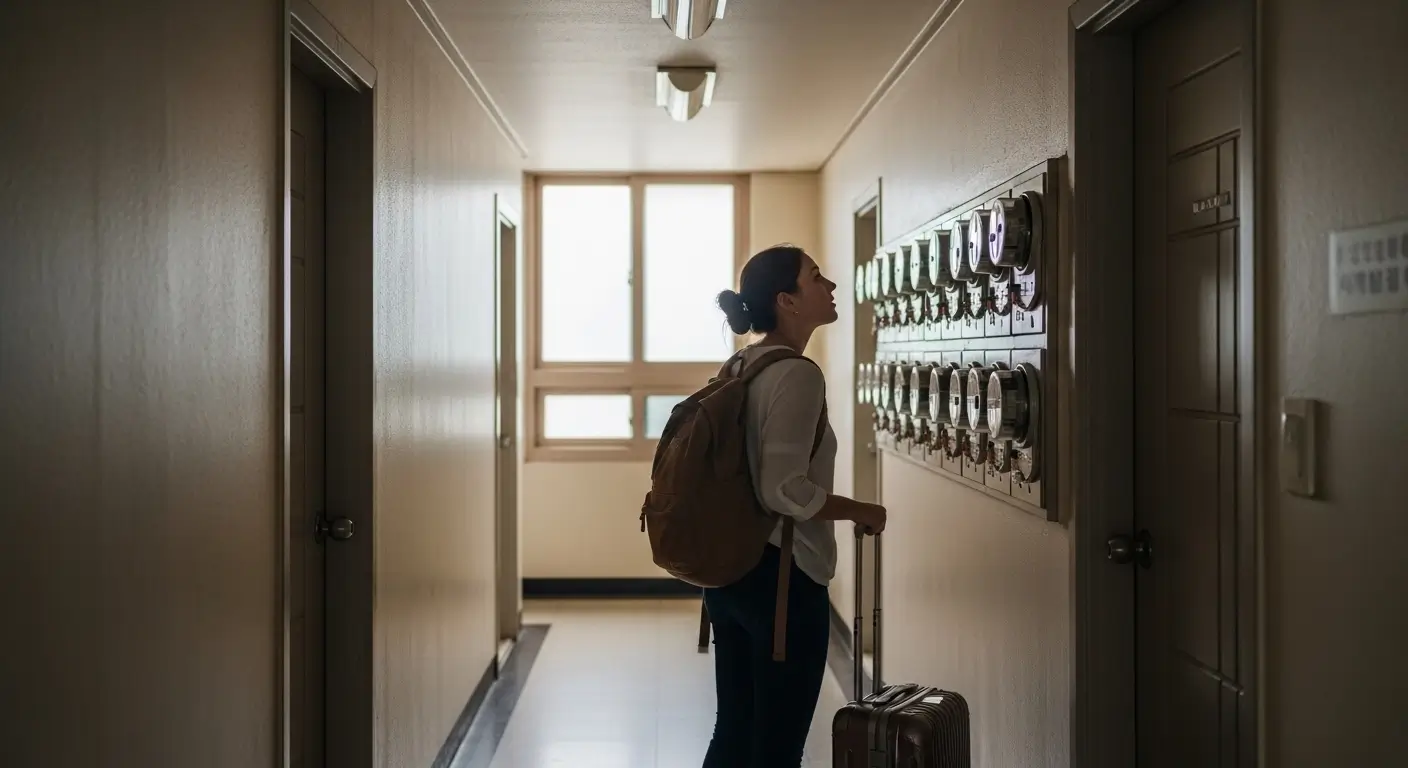
Set up utilities Korea apartment — this is the task most newcomers assume happens on its own, usually because the landlord said something vague like “utilities are ready.” In some buildings, particularly newer officetel complexes, that’s partly true. In many others, especially older multi-unit buildings and one-rooms, moving in means inheriting an incomplete setup that no one warned you about.
The frustrating part is that the gap isn’t always obvious right away. Electricity might work from day one. Then you realize the gas hasn’t been switched to your name, which means no hot water and no cooking — and the gas company requires an in-person inspection appointment before they’ll activate anything. Water might be billed through the building, or it might not. Internet requires a separate contract entirely. Each utility follows its own rules, its own provider, and its own process.
This guide breaks down what actually needs to be set up manually in Korean apartments, what varies by housing type, and which confirmations save the most time before move-in day.
Why Utilities Don’t Always Transfer With the Lease
In many countries, signing a lease effectively means utilities carry over. The previous tenant leaves, the new tenant moves in, and billing continues with updated name information. Korea doesn’t consistently work that way — and this is where assumptions tend to break down first.
Each utility in Korea operates through its own provider relationship. When a previous tenant ends their tenancy, they often close their account entirely rather than just pausing it. Gas accounts in particular are frequently terminated rather than transferred, because gas companies typically require a safety inspection before activating service for a new occupant. That inspection has to be scheduled. It doesn’t happen automatically when you sign a lease.
Electricity functions differently. Korea Electric Power Corporation (KEPCO / 한국전력공사, Han-guk Jeon-ryeok Gong-sa) manages residential electricity, and in many cases the account can be transferred by contacting them directly or through the building management office (관리사무소, gwan-ri-sa-mu-so). But “can be transferred” is not the same as “is automatically transferred.” It depends on how the previous tenant closed out and whether your landlord has already handled the changeover.
The bottom line is that a signed lease gives you legal occupancy — it doesn’t guarantee active utilities in your name. Anyone who needs to set up utilities Korea apartment properly should verify each service separately before move-in, even if the landlord says everything is “ready.”
How Housing Type Changes Utility Responsibility
The type of housing you’re renting matters as much as anything else when you set up utilities Korea apartment style. Responsibilities vary significantly depending on whether you’re in an officetel (오피스텔), a standard one-room (원룸, won-room), a goshiwon (고시원), or a share house (쉐어하우스). What’s included and what requires your own setup is rarely spelled out clearly in the rental contract.
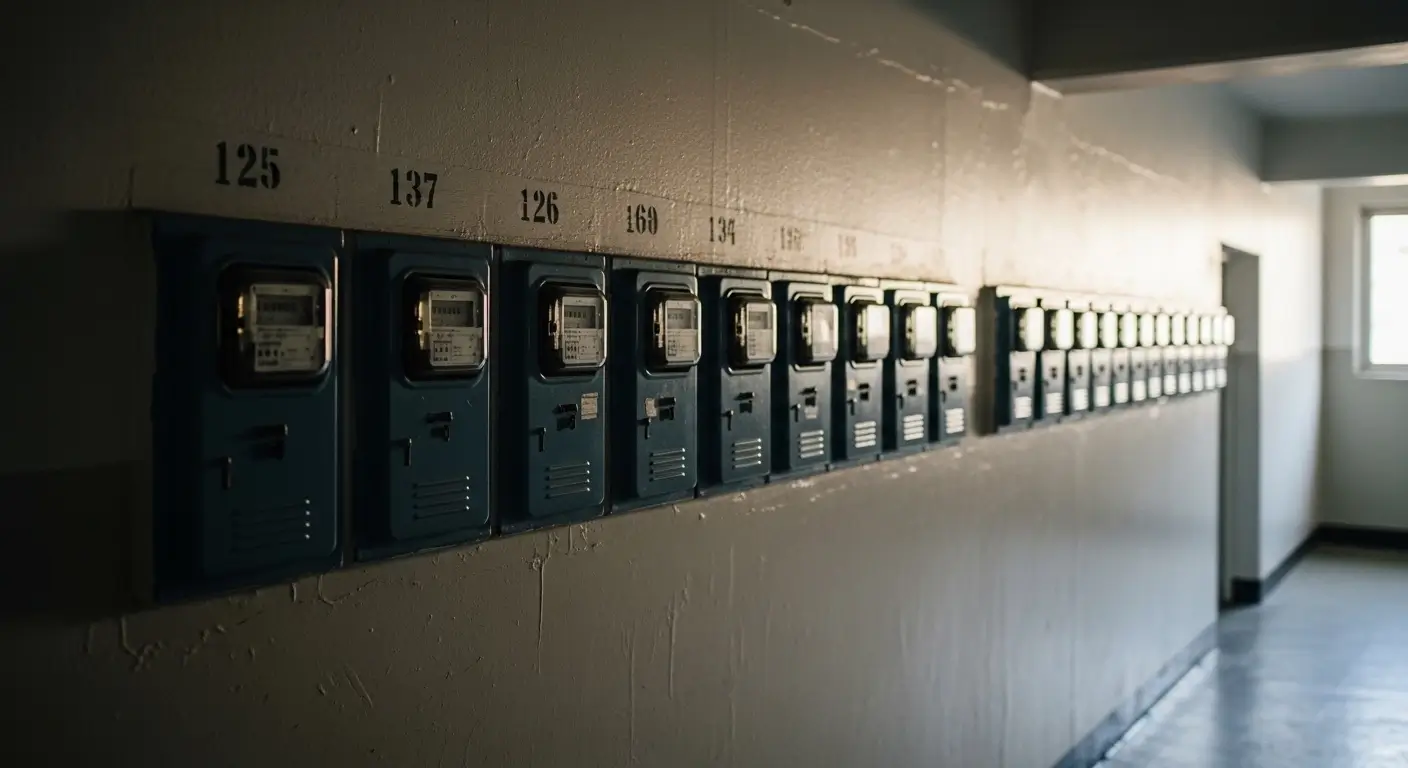
The table below shows general patterns, though individual buildings and landlords can differ:
| Housing Type | Typical Utility Pattern | What Usually Needs Setup |
|---|---|---|
| One-Room (원룸) | Individual contracts for each utility | Gas appointment, electricity transfer, internet contract |
| Officetel (오피스텔) | Mixed — building manages some, tenant others | Electricity via management office, gas varies |
| Goshiwon (고시원) | Usually included in rent | Typically nothing — confirm with owner |
| Share House (쉐어하우스) | Primary tenant or operator controls all utilities | Confirm what’s included; internet may be shared |
| Apartment (아파트) | Building management handles common services | Gas name change, electricity transfer, internet |
If you’re currently deciding between a goshiwon and a one-room setup, the monthly cost comparison between goshiwon and one-room in Korea covers the financial side of that decision in detail, including what’s typically bundled versus billed separately.
How to Set Up Utilities Korea Apartment: Each Service Explained
Each utility follows a distinct process in Korea. When foreigners first try to set up utilities Korea apartment side of things, treating all four services as one unified system is where most people lose time. The guide below covers what to expect from each one, based on how they’re actually managed in most Korean residential buildings.
Electricity (전기, jeon-gi)
KEPCO (한국전력공사) manages residential electricity across Korea at the national level. In most cases, you can request a name change on the account through the KEPCO website, their official app called KEPCO ON, or by visiting a local KEPCO office with your ID. Some building management offices also handle this on behalf of incoming tenants during move-in. Electricity is generally the least complicated of the four utilities to transfer — but it still requires an explicit request. Moving in alone does not trigger it automatically.
Gas (가스, ga-seu)
This is the one that most commonly causes problems. Gas service in Korea is managed by regional providers. In Seoul, the primary provider is Seoul City Gas (서울도시가스, Seoul Do-si Gas). In Gyeonggi Province and other regions, different companies operate. When a previous tenant closes their account, the gas supply is cut and a safety inspection is required before it can be restored for a new tenant. That inspection has to be booked in advance — typically at least two to three business days out. Calling on move-in day and expecting same-day activation is rarely possible, and never guaranteed.
Water (수도, su-do)
Water billing in Korea is often handled differently from electricity and gas. In many apartment buildings and officetels, water is billed through the monthly building management fee (관리비, gwan-li-bi) rather than as a separate individual account. In standalone one-room buildings without a management system, however, the water account may need to be transferred through the local district office or directly with the landlord’s involvement. It’s worth asking your landlord or building manager explicitly which system your unit uses before assuming either way.
Internet (인터넷, in-teo-net)
Internet always requires a new contract, regardless of housing type. Korea’s major residential broadband providers — KT (케이티), SK Broadband (SK브로드밴드), and LG U+ (LG유플러스) — operate independently of any building utility system. Installation appointments typically take three to seven business days after signup. If you need connectivity from move-in day, a mobile data solution may be necessary as a temporary bridge while waiting for installation.
For foreigners relying on a Korean phone number during internet or service signup, it helps to understand how phone number verification works in Korea — some services require a locally registered number, which can affect whether you can complete registration online independently.
Common Situations That Create Delays
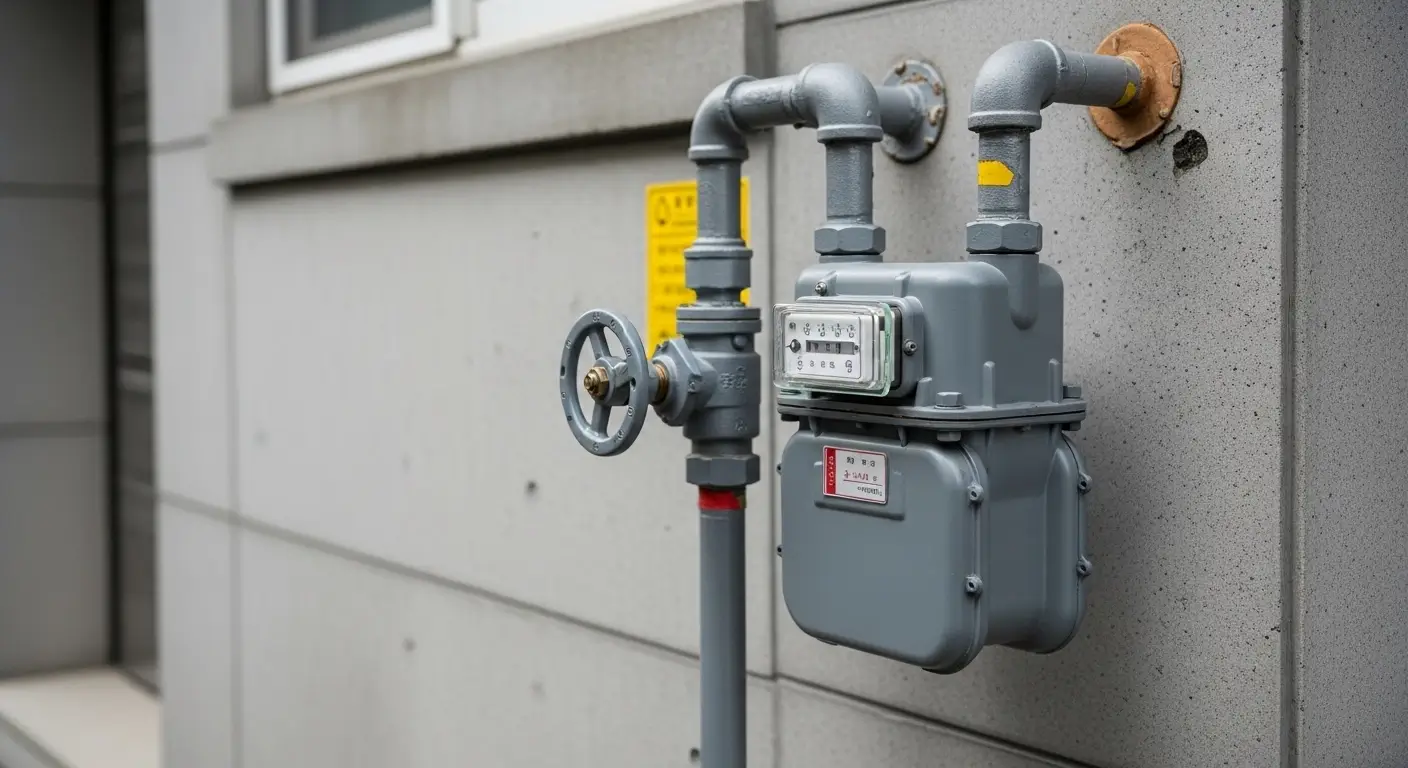
Most delays that foreigners encounter when they set up utilities Korea apartment don’t come from complex administrative problems. They come from a few predictable situations that are easy to avoid once you know to look for them.
Moving in over a weekend or public holiday. Gas company inspection teams typically operate on weekday business hours. If you move in on a Friday evening and realize gas isn’t active, you’re looking at waiting until at least Monday — and potentially longer during national holidays like Chuseok (추석) or Seollal (설날).
The landlord assumed someone else handled it. In buildings with a management office, landlords sometimes assume the management team has already handled the utility transfer. The management team sometimes assumes the landlord did. No one verifies. You arrive to a unit where nothing has been formally transferred to your name.
The previous tenant closed accounts instead of transferring them. As mentioned, closing an account is simpler than transferring it in Korea. Former tenants often take the easier route, especially when leaving quickly. This is entirely normal — but it means you’ll need to open new accounts rather than expecting existing ones to carry over.
Language gap during setup calls. Gas and water providers in Korea don’t consistently offer English-language customer support. Having the unit address written clearly in Korean before calling — or asking your landlord to assist with the initial contact — can prevent back-and-forth delays. If you haven’t yet registered your address officially, the address registration process for foreigners in Korea is worth completing early, as utility companies typically reference your registered address for billing correspondence.
Decision Guide: What to Confirm Based on Your Situation
The right questions to ask depend on your specific housing situation. The logic below helps identify where to focus before move-in, based on the most common scenarios foreigners encounter.
If you’re renting a one-room directly from a landlord with no management office:
Assume nothing transfers automatically when you set up utilities Korea apartment in this type of building. Ask about each utility individually: Is electricity still in the previous tenant’s name? Was the gas account closed or transferred? Who handles water billing? Can internet installation be scheduled before the key handover date? Asking these questions a week before move-in catches the most common gaps before they become day-one problems.
If you’re in an officetel with a building management office:
The management office (관리사무소) often handles electricity and water transfers as part of standard move-in procedures. Confirm this directly with them rather than assuming it’s automatic. Gas may still require a separate appointment with the regional provider. Internet is always your own contract to arrange, regardless of building type.
If you’re in temporary housing while searching for a permanent place:
In goshiwon or share house arrangements, utilities are typically included in the monthly fee. But internet speed and reliability can vary significantly between properties. If you work remotely, asking about shared bandwidth during a viewing can prevent an uncomfortable surprise later. The temporary housing guide for foreigners in Korea covers what else to verify before booking short-stay accommodation.
If you arrive during a national holiday period:
Plan for gas activation delays specifically. KEPCO electricity transfers and internet registration can often be initiated online, but gas inspection appointments require a technician on-site during business hours. Knowing this in advance allows you to schedule the inspection for your first available weekday.
Practical Recommendation Before Moving In
The most effective single step when you need to set up utilities Korea apartment is to contact your landlord or building management at least one week before your move-in date and ask for written confirmation of the utility status for each of the four services: electricity, gas, water, and internet availability in the building.
Most landlords in Korea are responsive to this kind of practical question — it’s not unusual and it doesn’t create friction in the landlord-tenant relationship. What creates friction is arriving to a cold apartment with no hot water on a Sunday evening and discovering gas hasn’t been activated because no one knew to schedule an inspection.
For gas specifically, if the previous tenant closed the account, ask your landlord whether they can arrange the safety inspection appointment in advance of your arrival. Alternatively, you can contact the regional gas provider directly as soon as you have your move-in date confirmed and your unit address in Korean characters.
This approach works for most standard rental situations. It may vary if your building has an unusual billing arrangement, if your landlord bundles utilities into the rent, or if you’re in a building where the management fee covers more services than typical. Depending on your setup, some of these steps may be handled for you — but confirmation is always safer than assumption.
Final Checklist
Before you set up utilities Korea apartment style, run through these points to avoid the most common move-in day delays:
- Confirm electricity account status — is it already transferred, or does a name change need to be requested through KEPCO?
- Confirm gas account status — if the previous tenant closed it, is a safety inspection appointment already scheduled?
- Confirm water billing — is it included in the building management fee, or a separately registered account?
- Check whether the building management office (관리사무소) handles any utility transfers on behalf of new tenants.
- Identify which internet provider serves your building and book installation at least one week before your move-in date.
- Confirm your Korean unit address in written form (Korean characters) for any utility setup calls or online registration forms.
- If moving in during or around a national holiday, verify gas inspection availability for the first business day after arrival.
Frequently Asked Questions
Can I set up utilities in Korea before my address registration is complete?
In most cases, yes — the process to set up utilities Korea apartment can begin using your unit address even before you complete formal address registration at the community center (주민센터, ju-min-sen-teo). However, some billing systems may later require a registered address for official invoicing correspondence. Completing address registration early avoids potential mismatches down the line. For the full process, see the address registration guide for foreigners in Korea.
What documents do I typically need to set up gas or electricity in my name?
Requirements vary slightly by provider and building, but in general you’ll need your Alien Registration Card (ARC / 외국인등록증, oe-guk-in-deung-rok-jeung) number or passport, your unit address written in Korean, and in some cases a copy of your lease contract. Gas companies may also request the landlord’s contact information for verification before scheduling the safety inspection appointment.
Does my Alien Registration Card (ARC) status affect utility setup?
Utility setup is not typically blocked by ARC status, though having a valid ARC makes the identification process more straightforward. Some providers accept a passport as an alternative identification document. If you’re still waiting to receive your ARC after arrival, it’s worth confirming with the specific utility provider what forms of ID they accept for new account registration.
Conclusion
The process to set up utilities Korea apartment is rarely complicated once you know what to expect. The challenge isn’t the process itself — it’s the assumption that everything is already handled. In practice, gas almost always needs active follow-up, electricity needs a transfer request, internet needs a new contract, and water needs a quick confirmation of how it’s billed in your specific building type.
Starting those confirmations about a week before your move-in date is usually enough to avoid any gaps. From there, the actual setup processes are manageable — KEPCO’s online systems are accessible, gas companies can often be contacted with landlord assistance, and internet providers have become more approachable for foreign residents over recent years.
Most people who’ve been through this once say the experience was less of an administrative challenge and more of a communication gap. Asking the right questions early closes that gap quickly, and move-in day stays focused on settling in rather than troubleshooting.
Official Reference: For electricity account transfers and service inquiries, KEPCO (Korea Electric Power Corporation / 한국전력공사) provides an online customer portal and app at home.kepco.co.kr. Regional gas providers operate independently — Seoul residents can contact Seoul City Gas (서울도시가스) directly for inspection appointment scheduling and new account registration.