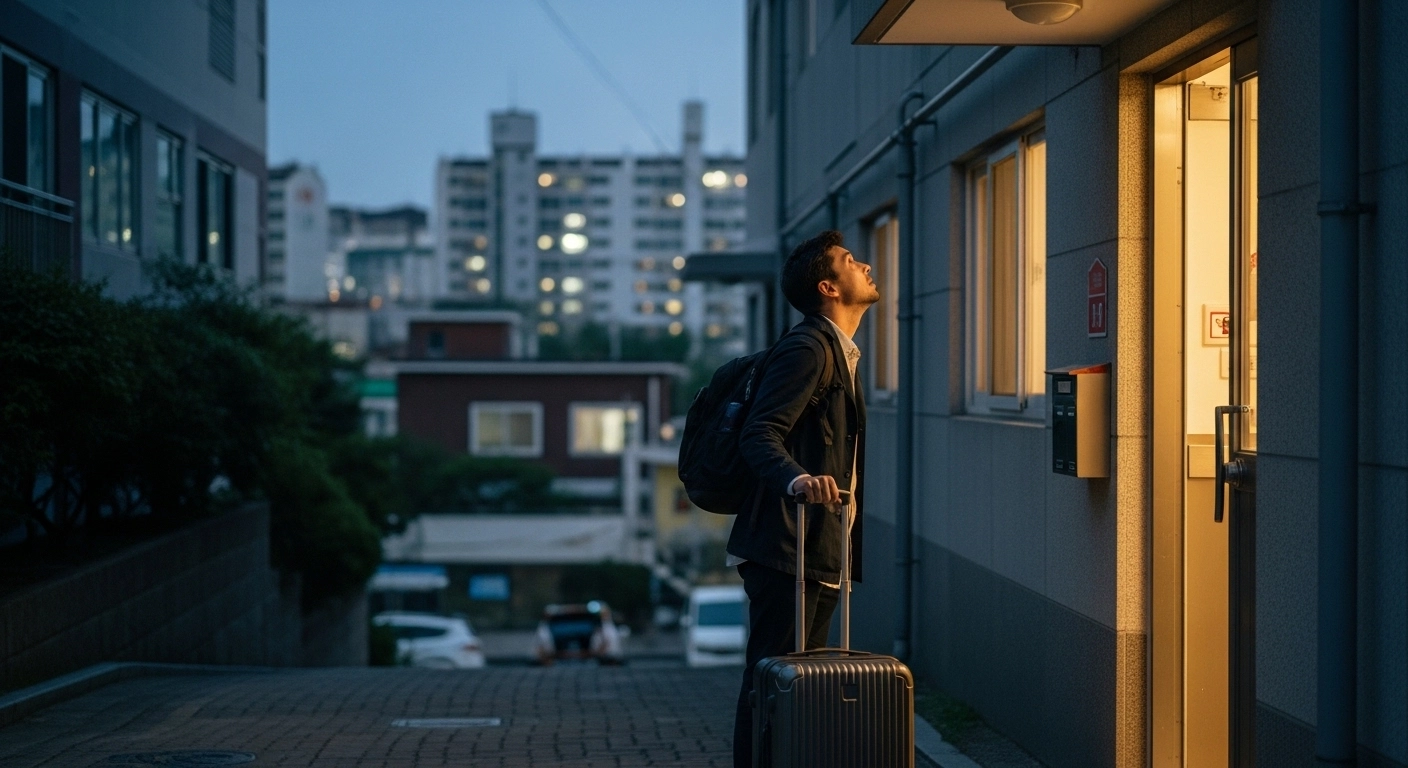
Finding temporary housing in Korea as a foreigner sounds like the easy part. You’ve already sorted your visa, maybe lined up a job or a language program, and figured out flights. Compared to all that, booking a place to stay for a few weeks feels like something you can handle in an afternoon. But here’s the thing — a surprising number of people end up switching accommodations within their first two weeks, spending more money and burning through energy they didn’t plan on losing.
The gap between what temporary housing Korea foreigners expect and what they actually experience tends to come down to details that don’t show up on booking platforms. Things like deposit structures, neighborhood logistics, cancellation terms hidden in Korean-only policies, and whether a particular address even works for the admin tasks you’ll need to do after arrival. These aren’t dramatic problems. They’re the slow, annoying kind that eat into your first month.
This guide walks through what tends to trip people up and how to think through your options before committing — so your first weeks in Korea aren’t spent fixing housing decisions you didn’t realize you were making.
Why Temporary Housing Decisions Matter More Than Expected
In most countries, temporary housing is just a place to sleep while you sort out something more permanent. Korea works a little differently. Your temporary address becomes part of your administrative identity almost immediately. When you go to immigration, open a bank account, or register for a phone plan — your address shows up in all of those processes. And if it doesn’t match, or if the housing type you’ve booked doesn’t generate the right kind of documentation, things stall.
Korea’s address registration system (전입신고) expects residents — including foreigners on certain visa types — to report where they’re living within 14 days of arriving. This isn’t just bureaucratic formality. Your registered address connects to your Alien Registration Card, which connects to nearly everything else: opening a bank account, signing a phone contract, and even getting packages delivered reliably. If you’re in a guesthouse or Airbnb that won’t provide address verification, you could find yourself stuck before you’ve even started settling in.
There’s also the financial side. Korea’s rental system involves deposits that can range from a few hundred thousand won to tens of millions, even for temporary stays. Foreigners who don’t understand the deposit-return process sometimes lose money or tie it up for months. The Ministry of Land, Infrastructure and Transport oversees housing regulations, but enforcement on short-term arrangements can be inconsistent, especially in the grey area between tourism and residency.
Common Mistakes Foreigners Make with Short-Stay Housing
The first mistake is treating the housing search like a hotel booking. Platforms like Airbnb and Booking.com work fine for tourists, but once you cross into “I’m going to live here for a month or more” territory, the assumptions change. Many Airbnb hosts in Korea operate in a legal grey area — short-term rentals require a tourism accommodation business registration (관광숙박업), and plenty of listings don’t have one. This won’t necessarily affect your stay, but it can affect whether you can use that address for official purposes.
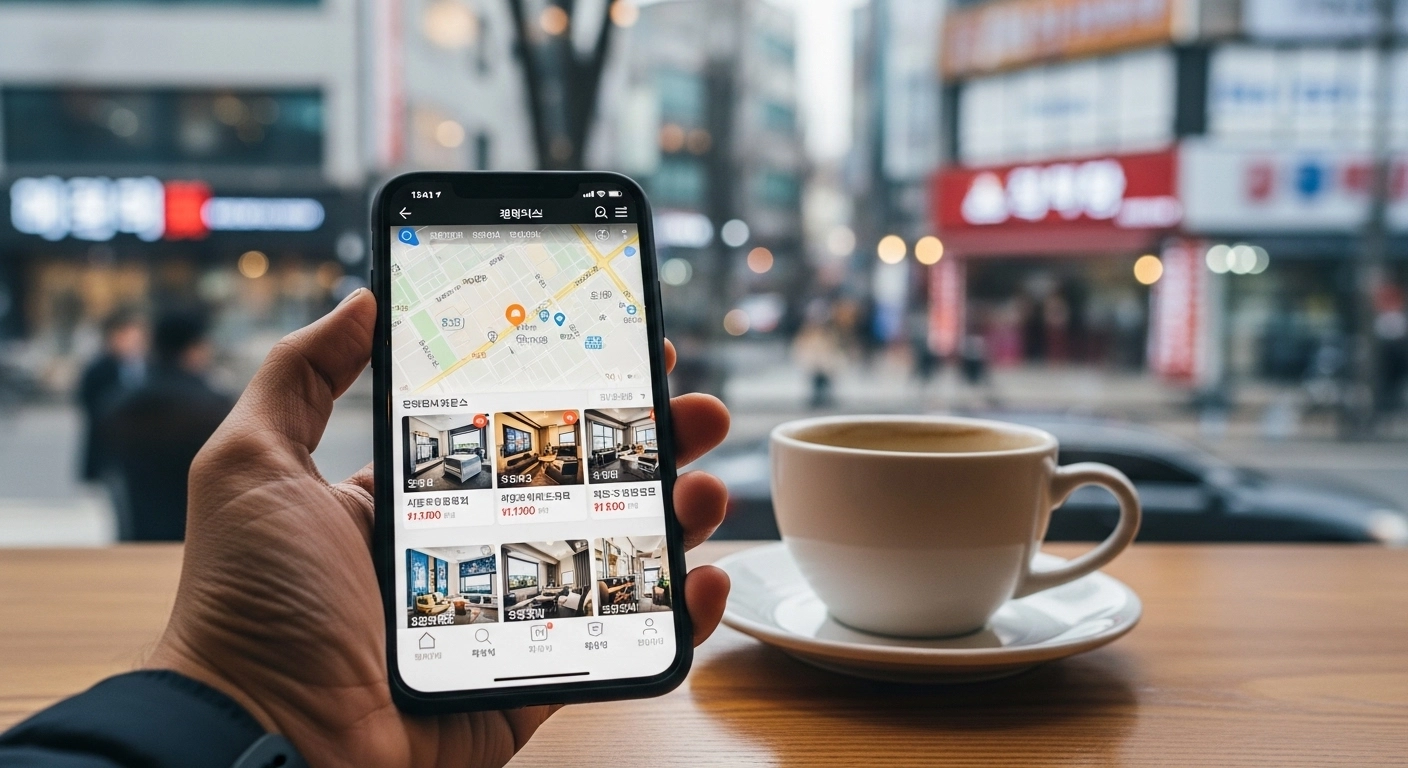
Second, people underestimate how much neighborhood choice matters for daily logistics. Seoul is enormous, and being 20 minutes from a subway station might not sound bad until you’re carrying groceries in July humidity or trying to get to an immigration office across the city. Proximity to the specific district office (구청) where you’ll handle paperwork is something most foreigners don’t even think about. Understanding how the Korean address system works before you pick a neighborhood saves more headaches than you’d expect.
Third, assuming cancellation policies work the way they do back home. Korean goshiwon (고시원) and officetel landlords often have verbal agreements or contracts written entirely in Korean. Some charge a full month even for partial stays. Others require 30 days’ notice for a place you’ve only been in for two weeks. If you haven’t read about common Korean terms in official documents, you might sign something you don’t fully understand.
Fourth, not checking whether the housing provides Wi-Fi that actually works for remote workers. Korea has incredible internet infrastructure overall, but individual goshiwon or shared housing setups sometimes rely on a single router for an entire floor. If you’re working remotely or attending online classes, this can be a daily frustration.
What Actually Matters When Choosing Temporary Housing in Korea
Koreans who move between cities already know what to prioritize — proximity to transit, deposit terms, building age (which affects insulation and noise), and the relationship with the landlord. Foreigners tend to focus on photos, price per night, and reviews in English. These aren’t wrong things to look at, but they miss the structural factors that determine whether your first few weeks go smoothly or not.
Address usability is the factor most foreigners overlook entirely. Can you register at this address? Will the landlord provide a lease agreement (임대차 계약서) that immigration will accept? Some goshiwon operators will give you a confirmation letter; others won’t. Airbnb hosts almost never will. If you’re planning to verify your phone number for Korean services, the address tied to your registration matters more than you think.
Deposit structure is the second thing. Korean housing involves several deposit models: the massive jeonse (전세) deposit, the smaller wolse (월세) monthly rent with moderate deposit, and the minimal or zero-deposit goshiwon model. For temporary stays, you’re likely looking at wolse or goshiwon-style arrangements. The question isn’t just how much you pay upfront — it’s how and when you get it back, and what happens if there’s a dispute.
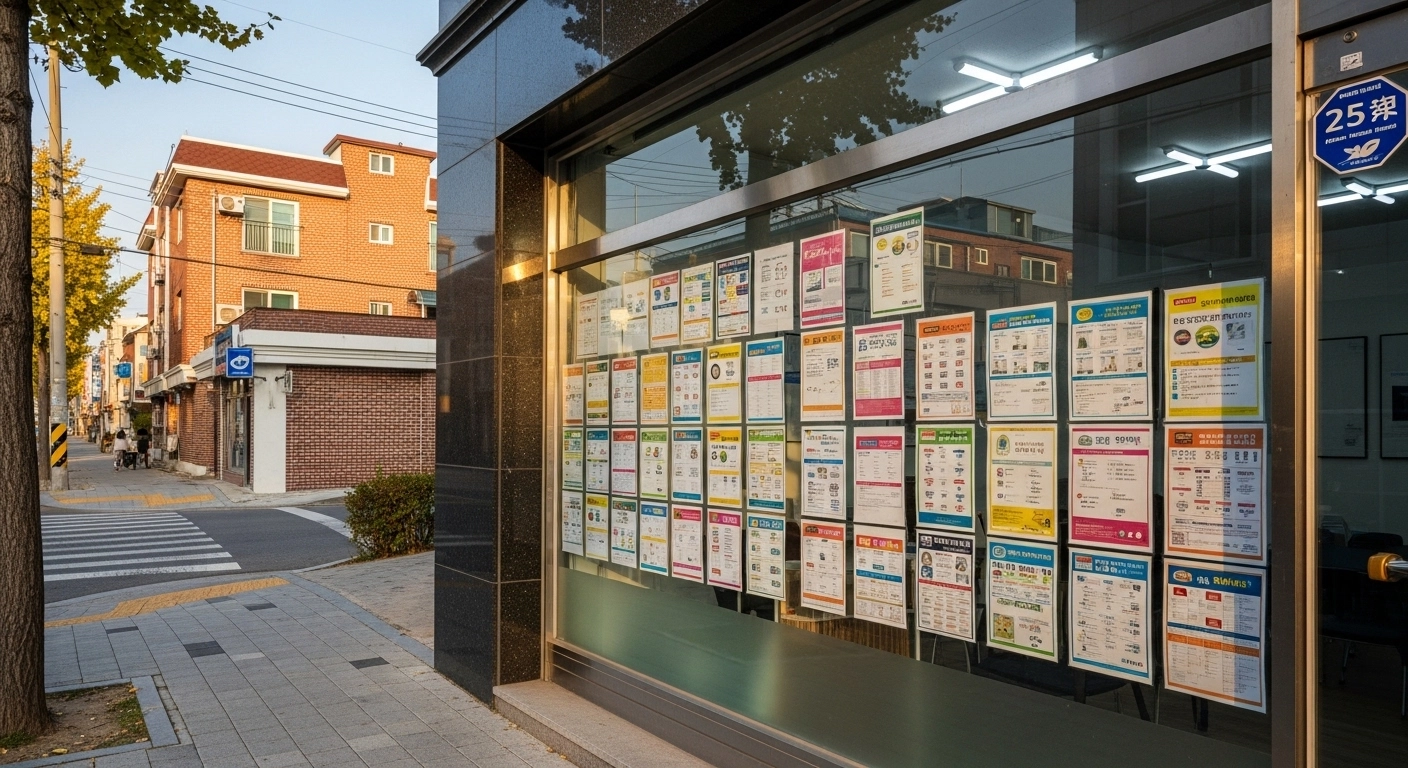
Contract language is the third. Even short-term agreements in Korea tend to be in Korean. Having a basic grasp of Korean phrases used in official settings helps, but for housing contracts, you really want someone who can read the fine print. Some real estate agents (부동산) near universities are used to working with foreigners and can explain terms, but this isn’t universal.
Decision Guide: Which Housing Type Fits Your Situation
Temporary housing for Korea foreigners comes in several forms, and the right choice depends less on budget and more on what you need the housing to do for you beyond sleeping. Here’s how to think through it based on your situation.
If you’re arriving for 1-2 weeks while apartment hunting: A guesthouse or serviced residence gives you the most flexibility. You won’t get a formal lease, which means address registration could be tricky, but for a short overlap period, immigration generally understands. The trade-off is cost — nightly rates add up, and most don’t include cooking facilities. If you’re arriving on a short-term basis with plans to transition to a longer stay, this is usually the safest bridge.
If you’re staying 1-3 months for work, study, or an extended visit: A goshiwon or officetel on a monthly contract is more practical. Goshiwon rooms are small — sometimes uncomfortably so — but they’re cheap, available without large deposits, and many operators are experienced with foreign tenants. Officetels offer more space and privacy, but expect deposits of 1-5 million won and contracts that assume you’ll stay the full term. Ask specifically about early termination clauses before signing.
If you’re here for a K-pop event, short cultural trip, or similar: Tourist-oriented accommodations work fine. Hanok stays, hotel packages, and short-term Airbnb bookings are straightforward for visitors who don’t need to interact with Korean administrative systems. If you’re looking at accommodation around K-pop concerts, booking early and confirming cancellation policies in advance saves stress.
If you’re a remote worker testing out living in Korea: Consider a share house or co-living space. These have grown significantly in Seoul and Busan over the past few years, and many cater specifically to digital nomads. They typically include furnished rooms, reliable internet, common areas, and flexible monthly terms. Some even help with address registration. The downside is availability — popular ones fill up quickly, and not all neighborhoods have options.
If you need to set up a Korean phone plan and bank account quickly: Prioritize housing that provides a proper lease agreement. Without it, getting a mobile plan in Korea on a postpaid contract becomes harder, and bank account applications can stall entirely. A goshiwon with a written rental confirmation or an officetel with a formal contract are safer choices than Airbnb or guesthouses for this reason.
Practical Recommendation for Most Foreigners
For the majority of foreigners arriving in Korea for stays between two weeks and three months, a goshiwon or a share house with a written rental agreement tends to be the most practical starting point. It’s not glamorous. The rooms are compact, the walls can be thin, and you’re unlikely to love the communal kitchen situation. But the combination of low financial risk, flexible terms, and address documentation makes it the safest foundation for everything else you need to set up.
This approach works less well if you’re traveling with a partner or family, if you have significant luggage (goshiwon rooms are genuinely tiny), or if you need a quiet, private workspace. In those cases, a short-term officetel lease — ideally arranged through a real estate agent who speaks some English — gives you more livable space, though you’ll need to budget for the deposit and potentially commit to a minimum term.
One thing that helps regardless of which type you choose: get a Korean SIM card activated before or immediately after arrival. You’ll need a working Korean phone number for almost every step of setting up your life here, from confirming housing bookings to receiving delivery notifications. Without it, even simple tasks like checking your accommodation’s door code can become unnecessarily complicated.
Final Checklist Before You Book Temporary Housing in Korea
Before confirming any temporary housing Korea foreigners booking, run through these points. They take five minutes and can save you from problems that take days to untangle.
- Address registration: Can you use this address for your alien registration or address report? Ask the host or landlord directly before booking.
- Written agreement: Will you receive any form of lease, rental confirmation, or written receipt? Even a simple document helps with official processes.
- Deposit return terms: How much is the deposit, when is it returned, and under what conditions can it be withheld? Get this in writing or at least confirmed via message.
- Cancellation and early termination: What happens if you leave early? Is there a penalty? How much notice is required?
- Internet quality: If you work or study online, ask about internet speed and whether the connection is shared with other tenants.
- Transit access: Check the actual walking distance to the nearest subway station or bus stop — not just what the listing says. Map it yourself.
- Neighborhood services: Is there a convenience store, laundromat, or pharmacy within reasonable walking distance? These matter more than restaurants for daily comfort.
Conclusion
Temporary housing in Korea doesn’t need to be perfect — it just needs to not create problems. The foreigners who have the smoothest first month are usually the ones who picked a modest place with clear terms and a usable address, rather than the ones who optimized for aesthetics or price alone. From there, once you have your Alien Registration Card, a working phone number, and a sense of which neighborhoods feel right, finding something more permanent becomes a much calmer process.
Take a day to verify the basics before you book. It’s the kind of small effort that pays back quietly — in time you didn’t waste, money you didn’t lose, and frustration you never had to deal with.