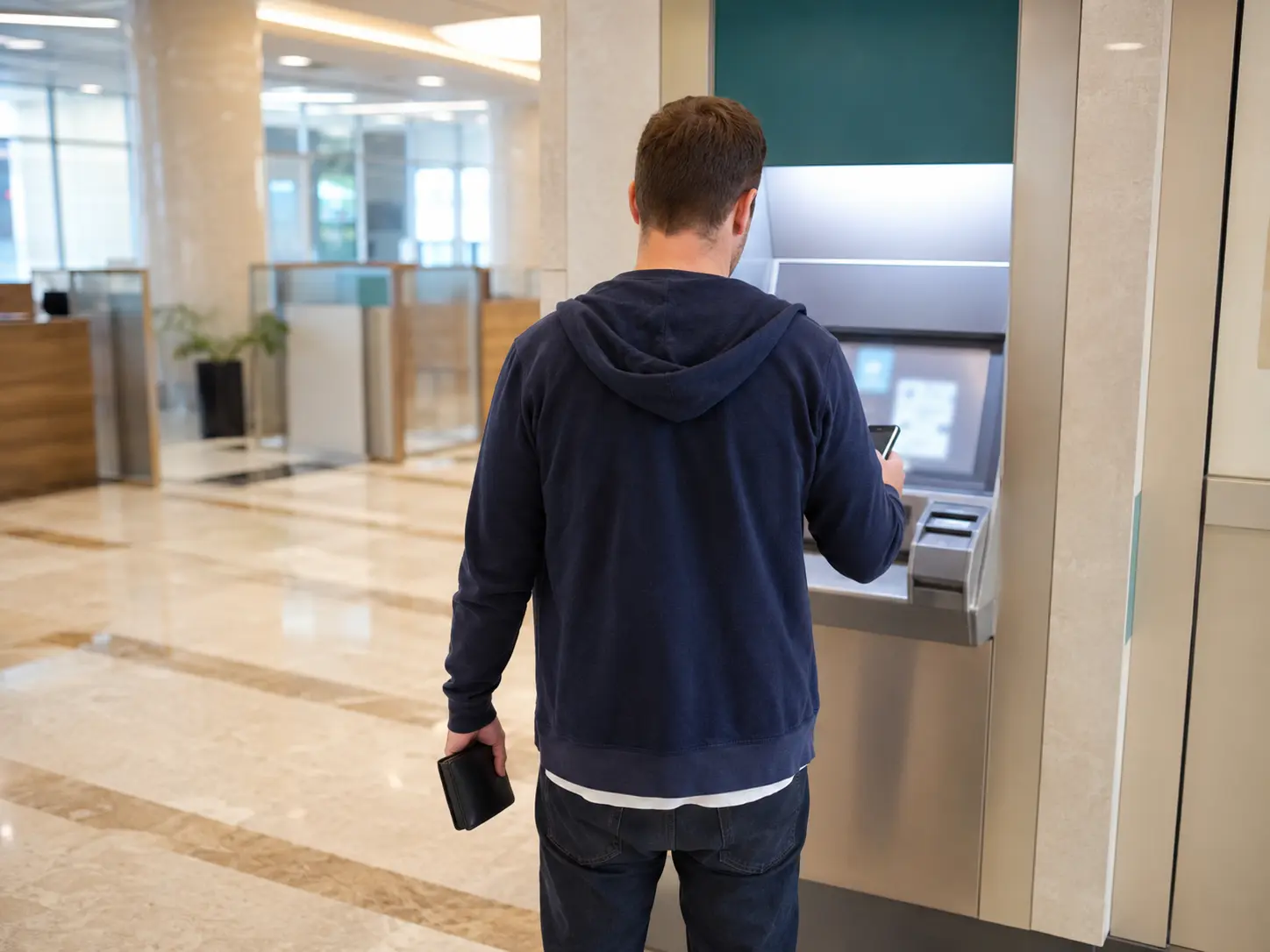
Sending money korea foreigners handle every month looks like a solved problem — until you check what actually arrived on the other end. A ₩1,000,000 transfer through a Korean bank’s SWIFT wire can quietly cost ₩30,000 or more in combined fees, and that number doesn’t even include the exchange rate spread the bank adds on top. Most people notice the flat fee. Almost nobody notices the markup hiding inside the rate itself.
That gap between what you send and what your family receives is where the real cost lives. And in Korea, the system adds a layer most foreigners don’t see coming: until recently, you had to designate one specific bank for all outbound transfers. Use the wrong method, skip one document, or miss a threshold — and either the transfer stalls or the fees multiply. Three specific traps account for most of the money people lose, and none of them are obvious from the app screen.
Why Transfer Costs Are Harder to Compare Than They Look
Most foreigners sending money from Korea compare the advertised transfer fee — the flat number the bank or app shows before you hit confirm. That fee is real, but it’s the smallest part of the total cost. The bigger chunk sits inside the exchange rate itself. A bank offering a ₩5,000 “low fee” can still mark up the exchange rate by 1–3%, and on a ₩1,000,000 transfer, that invisible spread costs ₩10,000 to ₩30,000 more than what a fintech app using the mid-market rate would charge.
Then there’s the intermediary bank fee. SWIFT transfers often pass through a third bank between Korea and the destination, and that bank takes its own cut — typically $10 to $25 — before the money reaches your family’s account. Nobody tells you about this fee at the time of sending. You only discover it when the received amount comes up short.
So the real comparison isn’t “which service has the lowest fee.” It’s “if I send ₩1,000,000 right now, how much does my family actually receive?” That number tells you everything. The rest is marketing.
Bank Wire Transfers — What the Flat Fee Hides
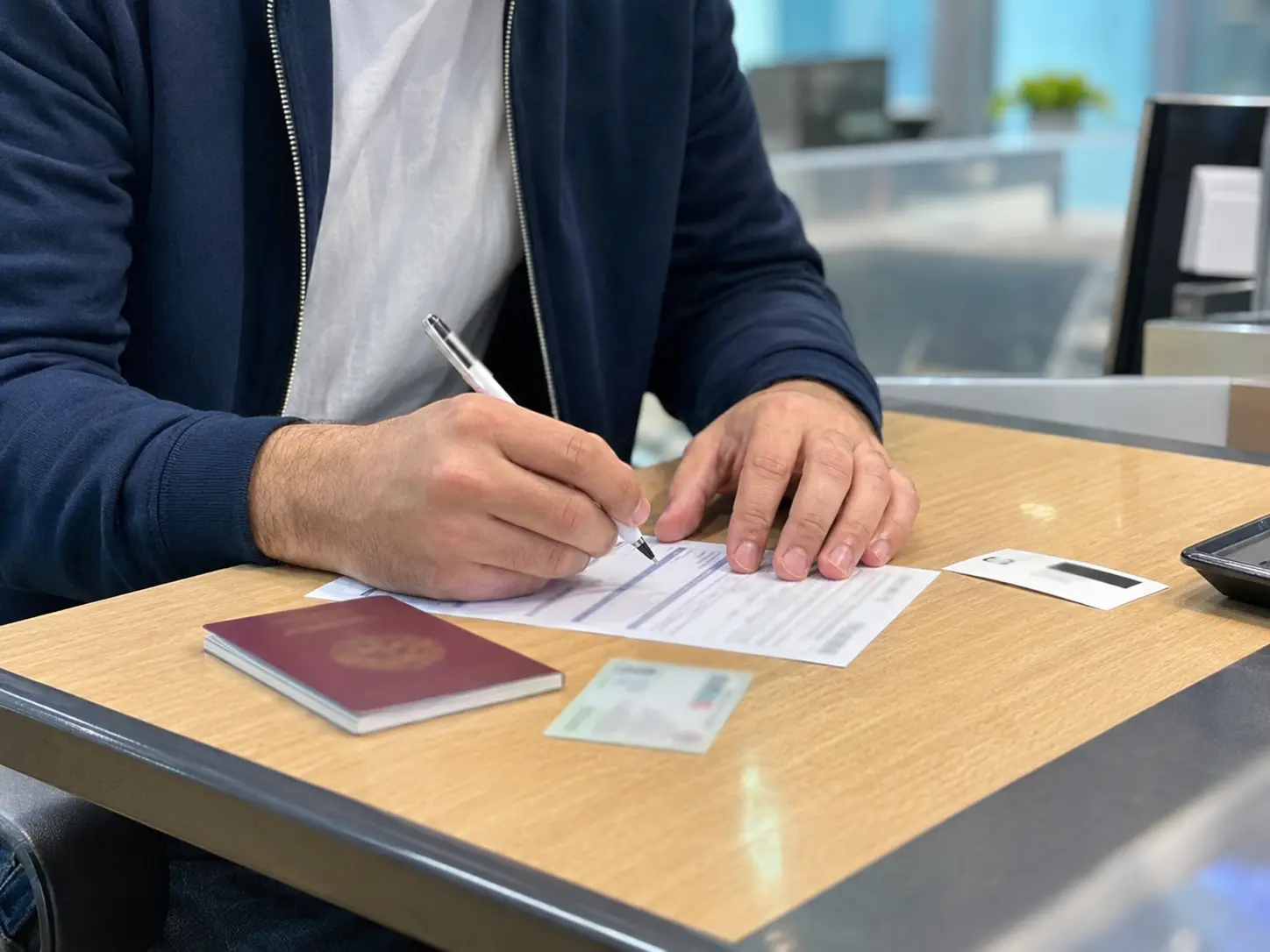
When sending money korea foreigners typically start at a Korean bank — Hana, Shinhan, Woori, KB Kookmin, NH Nonghyup — all offer international wire transfers. The process works. You bring your ARC (외국인등록증) and passport to a branch, fill out a remittance form, and the bank sends your money via SWIFT. Some banks now let you do this through their mobile app if you’ve completed the initial in-branch setup.
Here’s where the trap lives. The stated wire fee at most Korean banks ranges from ₩5,000 to ₩20,000 depending on the amount and the bank. That sounds reasonable. But Korean banks don’t use the mid-market exchange rate — they apply their own rate, which includes a spread of roughly 1–3% depending on the currency and the day. On a ₩1,000,000 transfer to the United States, that spread alone can add ₩15,000 to ₩30,000 in hidden cost on top of the wire fee.
Add the SWIFT cable fee (typically ₩8,000), plus the possible intermediary bank deduction on the receiving end, and a transfer that looked like it cost ₩10,000 actually costs ₩35,000 or more. If you’re sending money home monthly, that’s over ₩400,000 a year in fees you might not even realize you’re paying.
Banks do make sense in specific situations. For large transfers above ₩5,000,000, some banks offer promotional exchange rates that narrow the spread significantly. Hana Bank’s Global Won service and IBK Industrial Bank are known for running these promotions, especially for foreign workers. NH Nonghyup and IBK also tend to have branch staff who speak Vietnamese, Chinese, or English — a real advantage if you need to deal with documentation issues in person.
Fintech Apps — Where the Speed and Savings Actually Are
The remittance landscape for sending money korea foreigners rely on shifted hard toward fintech apps. By 2026, specialized apps handle the majority of expat remittances, and for good reason — they’re dramatically cheaper than bank wires for amounts under ₩5,000,000.
The main players each serve slightly different needs. SentBe (센트비) is built specifically for foreign workers in Korea and is optimized for Southeast Asian corridors — Philippines, Vietnam, Indonesia, Nepal, Myanmar. Their app supports multiple languages and their customer support understands the specific situations foreign workers face. Flat fees typically run around ₩2,500 to ₩5,000 per transfer, and they use exchange rates much closer to the mid-market rate than banks do.
WireBarley covers transfers to over 46 countries with competitive rates for USD, EUR, and AUD corridors. Their app is available in 12+ languages. Toss also offers international transfers now, and if you already use Toss for Korean banking, the convenience factor is real — everything happens in one app you already know.
One thing catches people off guard with all these apps: you still need a Korean bank account to fund your transfer. The app connects to your Korean bank, pulls the won, converts it, and sends it out. Without a Korean bank account, your options narrow to convenience store cash remittance services like MoneyGram or Western Union — which work but carry higher fees.
Speed varies. SentBe often completes transfers within hours — sometimes minutes for express delivery. Bank SWIFT wires typically take 2–5 business days, and that’s before the receiving bank processes it on their end.
Side-by-Side: What ₩1,000,000 Actually Costs to Send
Numbers tell the story better than descriptions. When sending money korea foreigners compare options, here’s what a typical ₩1,000,000 transfer to the United States looks like across different methods. These are approximate ranges — actual costs shift daily with exchange rates.
| Method | Stated Fee | Exchange Rate Spread | Other Costs | Estimated Total Cost | Speed |
|---|---|---|---|---|---|
| Bank SWIFT Wire | ₩10,000–₩20,000 | 1–3% | Cable ₩8,000 + intermediary $10–$25 | ₩30,000–₩50,000+ | 2–5 business days |
| SentBe / WireBarley | ₩2,500–₩5,000 | 0.3–1% | None typical | ₩5,000–₩15,000 | Minutes to 24 hours |
| Toss International | Varies | Competitive for major currencies | None typical | ₩5,000–₩15,000 | Same day to 2 days |
| Western Union / MoneyGram (convenience store) | ₩5,000–₩15,000 | 2–5% | Cash handling | ₩25,000–₩55,000 | Minutes to same day |
The gap is stark. For anyone sending money korea foreigners handle on a monthly basis, switching from a bank wire to a fintech app can save ₩200,000 to ₩400,000 per year — and that’s a conservative estimate. The exact savings depend on your destination country, the amount, and the day’s exchange rate.

The Annual Limit That Triggers Extra Paperwork
Korea’s Foreign Exchange Transactions Act (외국환거래법) sets rules on how much you can send out of the country without additional documentation. For sending money korea foreigners deal with regularly, this is the part most people don’t learn about until it blocks a transfer.
As of January 2026, the annual limit for overseas remittances without supporting documents was standardized at $100,000 across all financial institutions. Before this reform, the limit depended on where you sent from — banks had higher thresholds than fintech services. The designated bank requirement — which locked you into using one specific bank for all outbound transfers — was also abolished. You can now use multiple banks and apps freely.
For most foreigners sending salary home, the $100,000 annual cap is more than enough. But if you’re transferring a housing deposit back to your home country when you leave Korea, or moving accumulated savings, you can hit the ceiling faster than expected.
Once your total remittances exceed $100,000 in a calendar year, you’ll need to provide proof of income — a certificate of employment (재직증명서), salary statements, or tax withholding receipts from your employer. For amounts above this threshold, visit your bank branch in person with these documents. The bank will process it, but expect the review to take longer.
There’s also a separate reporting trigger: any single transfer over the equivalent of $10,000 is automatically reported to the National Tax Service (국세청). This isn’t a tax — it’s a reporting requirement. No additional action is needed from you, but it means the Korean tax authority has a record of the transaction.
⚠️ Important: Transfer limits, documentation requirements, and tax reporting rules change periodically. The information here reflects rules as of mid-2026. For the most current thresholds and documentation requirements, check with your bank or visit the Bank of Korea’s official foreign exchange guidelines. For tax-related questions about remittances, consult the National Tax Service or a licensed tax professional.
Which Method Fits Your Situation
The right choice for sending money korea foreigners face depends on three things: how much you’re transferring, where it’s going, and whether you have a Korean bank account.
If you’re sending under ₩5,000,000 regularly — which covers most monthly salary remittances — a fintech app wins on every metric. SentBe tends to edge out competitors for transfers to the Philippines, Vietnam, and other Southeast Asian countries. For transfers to the US, Europe, or Australia, WireBarley and Toss are worth comparing side by side on the day you send, since rates fluctuate.
If you’re sending a large lump sum — returning a housing deposit, moving savings before leaving Korea — a bank wire may make more sense. Some banks offer promotional rates for large amounts that can compete with fintech apps. Call ahead and ask about current promotions before going to the branch.
If you don’t have a Korean bank account yet, your options narrow. Western Union and MoneyGram through convenience stores accept cash, but the fees are the highest of any method. Getting a Korean bank account — which requires your ARC and passport — is the single most important step toward cheaper transfers. If you haven’t set that up yet, the Bank Account Korea guide walks through what usually delays the process.
One practical tip for sending money korea foreigners often overlook: batch your transfers. Sending ₩500,000 twice costs roughly double the fees of sending ₩1,000,000 once. The flat fee portion hits you every single time. Fewer transfers, larger amounts — simple math, real savings.
And regardless of which method you choose, do this before every transfer: enter your exact amount into two or three different services and compare the “recipient receives” number. Not the fee. Not the rate. The final number on the other end. That five-minute check is worth more than any loyalty to a single platform.
Can You Send Money Without a Korean Bank Account?
Yes. Sending money korea foreigners manage without a bank account is possible, but your options are limited and more expensive. Western Union and MoneyGram services at Korean convenience stores accept cash remittances without a bank account. The trade-off is higher fees and worse exchange rates compared to fintech apps or bank wires. If you’re planning to stay in Korea for more than a few months, opening a bank account is worth the effort — it unlocks every cheaper transfer method available.
Does Korea Tax Outbound Remittances?
No, Korea does not impose a tax on personal remittances of salary or living expenses. However, transfers exceeding $10,000 equivalent are automatically reported to the National Tax Service. This is a reporting mechanism, not a tax. Your home country may have its own rules about receiving international transfers — check your local tax regulations, especially for larger amounts. For anything involving investment returns or large asset transfers, consult a licensed tax professional before sending. Related questions about payment systems in Korea are covered in the payment guide.
What Happens If You Exceed the Annual Limit?
When sending money korea foreigners accumulate past $100,000 in total remittances during a calendar year, you’ll need to provide documentation proving the source of funds — employment certificate, salary records, or tax withholding statements. The transfer isn’t blocked; it just requires additional paperwork. Visit your bank branch in person with these documents. Processing may take longer than a standard transfer while the bank reviews the documentation.
Which App Fits Southeast Asian Corridors?
SentBe is specifically optimized for transfers to the Philippines, Vietnam, Indonesia, Nepal, and Myanmar. Their app is multilingual, support staff understand foreign worker situations, and their rates for these corridors are consistently competitive. For transfers to other Southeast Asian countries, compare SentBe against WireBarley and GME Remittance on the day you send. The currency exchange guide covers how exchange rate differences affect your money at the point of arrival in Korea as well.
Where to Go From Here
The fee traps sending money korea foreigners encounter aren’t complicated once you see them. The exchange rate spread matters more than the flat fee. Intermediary banks take a cut you never agreed to. And the annual limit exists — it’s manageable, but ignoring it creates paperwork headaches at the worst possible time.
The simplest improvement most people can make: stop defaulting to bank wires for routine monthly transfers. Download one or two fintech apps, run a side-by-side comparison with your actual transfer amount, and look at the received number — not the advertised fee. Five minutes of comparison before your next transfer is worth more than reading any guide, including this one.
If you’re still in the early stages of setting up finances in Korea, the Banking & Payments hub connects the full chain — from opening a bank account to payment verification to international transfers. Each step unlocks the next.
Eric Youn lived abroad for over 15 years and writes practical Korea living guides based on firsthand experience.