
Deciding between a short term or long term stay in Korea often happens earlier than people realize. What causes trouble later is not the length itself, but the assumptions made at the beginning. These early assumptions quietly affect decisions about accommodation, mobile services, and administrative access.
By the time people notice they picked the wrong track, some choices have already locked them into limitations that take weeks to reverse.
Why Stay Length Matters More Than Expected
Most people think of stay length as a calendar issue. The real impact shows up in how Korean systems grant access.
Korea’s administrative and commercial systems operate on tiers. Short-term visitors get one level of access. People staying longer unlock different services, but only after proving residence through documentation the first group never needed.
This creates a gap. If you enter Korea planning to stay briefly but later extend, you don’t automatically gain access to the next tier. The transition requires effort and sometimes waiting periods that catch people off guard.
The division point is not always clear from the outside. Some services consider three months short-term. Others draw the line at six months. A few base it on visa type rather than duration.
Common Assumptions People Make at the Start
Three assumptions appear repeatedly among people whose plans shifted after arrival.
The first is believing temporary solutions remain flexible. Many arrive thinking they can upgrade mobile plans, change addresses, or switch bank accounts easily once they settle. In practice, changing certain services requires going through the same verification steps as opening them initially. This takes time people often don’t have when they suddenly need the service to work.
The second assumption involves treating Korea like a tourist destination during the planning phase. Tourist-oriented services work well for visitors passing through. These same services become expensive and limited when daily routines begin. The cost difference becomes obvious within weeks, but adjusting means starting over with local alternatives that may require documentation not collected earlier.
The third pattern appears when people defer decisions entirely. Choosing a Korean SIM card or mobile plan feels less urgent than finding accommodation. But connectivity affects everything else that follows. Delaying this choice sometimes means accepting whatever option is immediately available, which locks in limitations before other systems are even understood.
How Stay Length Affects Mobile and SIM Decisions
Mobile connectivity becomes the foundation for nearly everything else in Korea. Bank verification, delivery tracking, government portals, and building access systems all expect a working Korean number.
When deciding on a short term or long term stay in Korea, the mobile choice matters more than it appears at first. Short-term options provide immediate access but often come with restrictions that surface later.
| Feature | Tourist/Prepaid SIM | Standard Mobile Plan |
|---|---|---|
| Phone Verification | ❌ Usually fails | ✅ Full support |
| Banking Registration | ❌ Not accepted | ✅ Required format |
| E-commerce Platforms | ⚠️ Limited access | ✅ Full access |
| Building Access Systems | ❌ Not recognized | ✅ Integrated |
| Setup Time | ✅ Immediate | ⚠️ Store visit needed |
| Contract Flexibility | ✅ Cancel anytime | ⚠️ Termination fees |
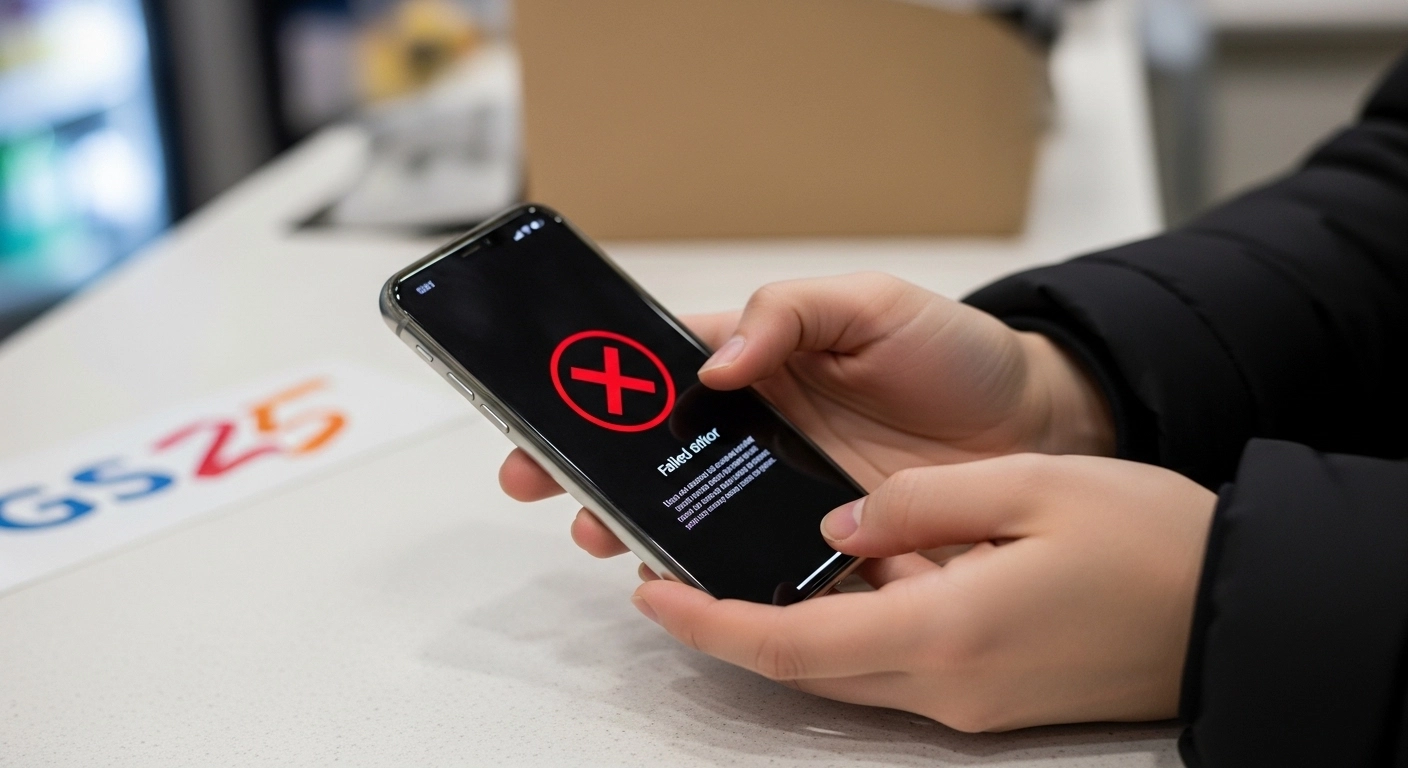
Tourist SIM cards and short-term plans generally work for basic connectivity. Problems appear when services require identity verification through the phone number. Phone number verification in Korea often fails with prepaid or tourist numbers because these services check the subscriber’s registration status.
Switching from a tourist plan to a standard plan requires visiting a carrier store with documentation. This process takes time and sometimes encounters delays if the original plan was set up without proper registration. By the time people realize the limitation, they may already be dependent on the number for other services.
The reverse situation also creates friction. People who immediately sign up for long-term contracts sometimes leave Korea earlier than planned. Contract cancellation fees exist, and the administrative steps for closing accounts while outside Korea become complicated.
The safer approach involves understanding which services the phone number will actually be used for. If access to Korean banking, online shopping, or apartment building systems is necessary, choosing a mobile plan in Korea that supports full verification makes sense from the start, even if the stay might be brief.
Accommodation Choices That Become Hard to Adjust
Housing decisions feel urgent when first arriving, which often means accepting whatever seems convenient at the moment. This is where early assumptions about a short term or long term stay in Korea quietly shape costs and flexibility for months.
Short-term accommodation usually offers simplicity. Guesthouses, serviced residences, and Airbnb-style rentals rarely require the deposit and documentation that local lease contracts need. The trade-off appears gradually. Monthly costs run higher, locations tend toward tourist areas rather than residential neighborhoods, and extending stays often means renegotiating rates or moving entirely.
People who initially booked accommodation near concert venues or popular districts sometimes discover later that these areas lack convenient access to workplaces, schools, or routine services. The excitement around K-POP concert accommodation in Korea makes certain neighborhoods appealing for short visits, but daily commuting from these locations becomes tiresome quickly.
Shifting from short-term to long-term housing requires more than finding a new place. Korean lease contracts typically involve key money deposits and registration processes that take weeks to complete. If someone extends their stay unexpectedly, they may find themselves stuck in temporary housing longer than intended while waiting for proper contracts to process.
The reverse also creates problems. People who commit to year-long leases sometimes face penalties or lose deposits when plans change. Early termination clauses exist, but enforcing them requires navigating agreements often written only in Korean.
Why Administrative Tasks Feel Suddenly Complicated
Administrative requirements rarely feel urgent during the first days in Korea. Most people focus on settling in. Then something happens that requires official documentation, and the gap between what was prepared and what is needed becomes clear.
Banking provides the clearest example. Opening a bank account in Korea as a foreigner becomes necessary when employers require local accounts for salary deposits, or when recurring payments like rent or utilities need automation. Banks evaluate applications differently depending on visa type and documented residence length.
| Service | Short-Term Visa | Long-Term Visa | Key Documents |
|---|---|---|---|
| Bank Account | ⚠️ Limited options | ✅ Full access | Passport + Visa + Phone |
| Address Registration | ❌ Often blocked | ✅ Required | Lease + Landlord cooperation |
| Mobile Contract | ⚠️ Prepaid only | ✅ Full plans | ARC or long-term visa |
| Online Shopping | ⚠️ Restricted | ✅ Full access | Verified phone + address |
| Government Portals | ⚠️ Limited | ✅ Full access | Registered address + ARC |
Short-term visa holders can open accounts, but options are limited and sometimes require additional documentation. The process takes longer, and some account features remain restricted until residency status changes. People who assumed they could open any account on arrival sometimes spend weeks meeting additional requirements they didn’t know existed.
Address registration creates similar friction. Korea’s administrative system relies on registered addresses for many services. The Korean address system seems straightforward on paper, but registration requires landlord cooperation and sometimes visits to district offices. People in temporary housing often cannot complete this registration, which then blocks access to services that require it.
Government offices also present challenges when forms or procedures exist only in Korean. Having basic Korean phrases for government offices helps reduce confusion, but the underlying issue is that short-term planning rarely includes preparing for these interactions. By the time they become necessary, people are often already stressed or pressed for time.
According to the Hi Korea Immigration Portal, foreign residents must complete different registration steps depending on their visa category and intended stay duration. Understanding these requirements early prevents delays later.
Decision Checklist Before You Arrive
Rather than trying to predict exact stay length, focusing on what systems will actually be needed tends to produce more useful preparation.
Consider whether work, study, or other commitments will require:
- A phone number capable of identity verification
- Banking services with full online access
- A registered address for official correspondence
- Access to delivery and e-commerce platforms
- Interaction with government offices or employers
If these needs exist, preparing for them from the start avoids the gap that appears when temporary solutions stop working. If they don’t apply, shorter-term options remain practical.
The goal is not choosing between rigid categories. It is recognizing which Korean systems connect to daily life and ensuring the groundwork for accessing them exists when needed.
Conclusion
Problems related to stay length rarely come from choosing the “wrong” option. They usually appear when early assumptions no longer match how daily systems work later. Understanding this gap helps explain why many decisions feel harder to adjust after arrival.
Planning around what will actually be needed, rather than guessing at calendar timelines, tends to create more room for adjustment as situations develop. This usually gives people enough stability to settle in. From there, things tend to get simpler.