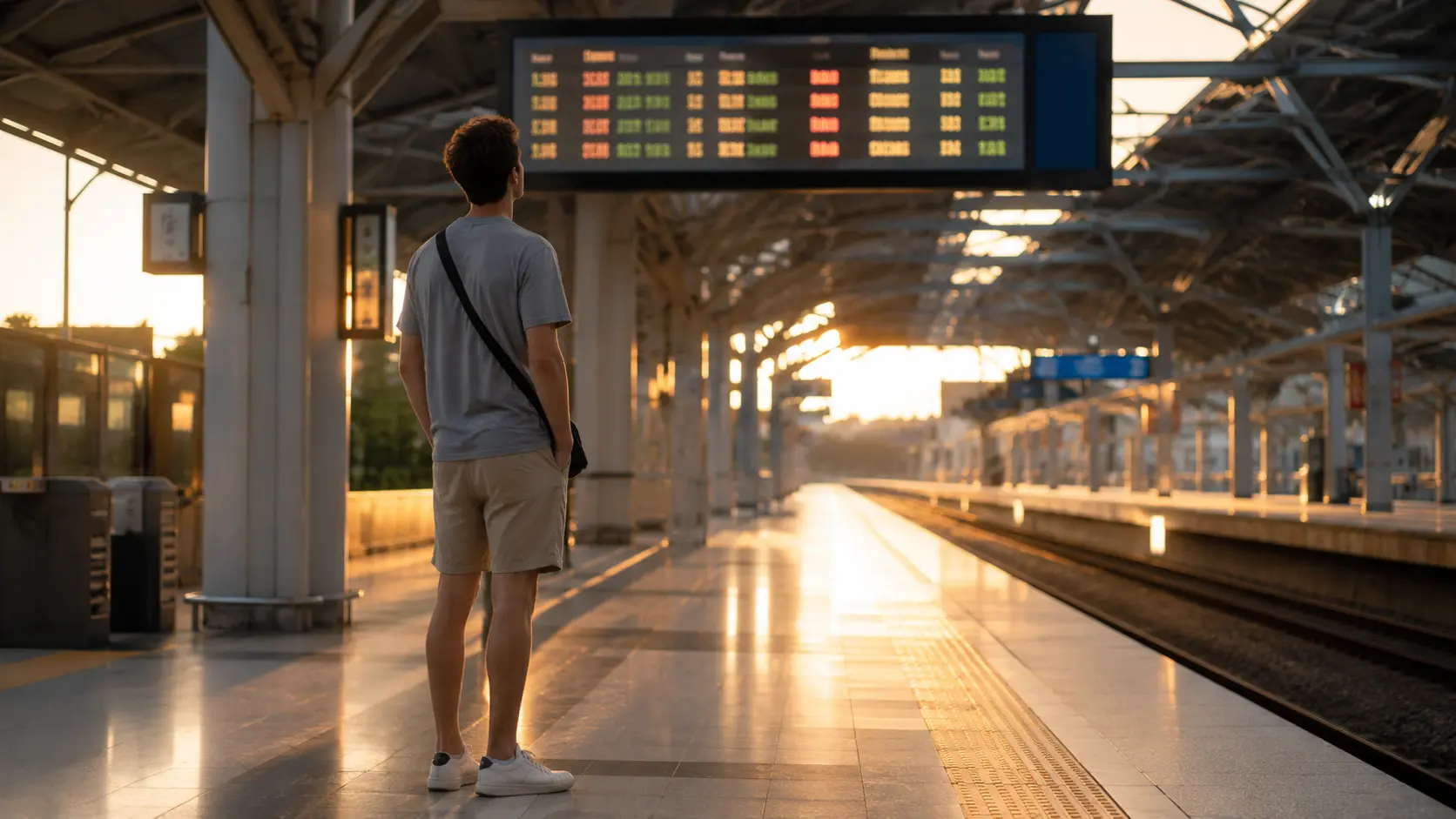
Can you actually leave Seoul for the day and make it back without getting stranded? That’s the question most people never ask until they’re standing on an empty platform at 9 PM, watching the last train pull away. Seoul day trips foreigners plan tend to look great on paper — Nami Island, Suwon Fortress, the DMZ — but the gap between “looks doable” and “actually works on Korean transit” is wider than you’d think.
The issue isn’t the destinations. It’s the return window. Train schedules, bus frequencies, and ticket systems change depending on which route you pick. One route runs on ITX express trains with reserved seats. Another depends on intercity buses that stop running earlier than anyone expects. A third requires advance booking through a military clearance system that rejects walk-ins entirely.
Three routes. Three completely different logistics systems. And the one detail that catches most visitors is the same every time: the last ride home leaves earlier than the internet says.
What Seoul Day Trips Foreigners Can Actually Pull Off in One Day
Not every destination near Seoul qualifies as a real day trip. The label gets applied loosely online — “day trip to Gangneung,” “day trip to Gyeongju” — but once you factor in travel time, the visit window, and the return schedule, some of these are more like rushed overnight trips crammed into daylight hours.
For seoul day trips foreigners try to squeeze into a packed itinerary, the trip needs to meet three conditions. Travel time under 90 minutes each way. Enough to see and do without sprinting through it. And a return option that doesn’t require leaving at 4 PM.
Three routes consistently pass that test for foreigners: the Gapyeong corridor (Nami Island and surrounding attractions), Suwon’s Hwaseong Fortress area, and the DMZ. Each one uses a completely different transport system. Each one has a different set of friction points. And the mistakes people make on each are nothing alike.
The rest of this guide breaks down how these three seoul day trips foreigners rely on actually work — what’s easy, what’s not, and what time you need to start heading back.
Route 1: Nami Island and Gapyeong — The ITX Window
Among seoul day trips foreigners search for, this one comes up first — and for good reason. Nami Island sits about 60 kilometers northeast of Seoul in the Gapyeong area of Gangwon Province. The tree-lined paths, seasonal scenery, and Winter Sonata filming locations draw visitors from across Asia year-round.
Getting there is the easy part. The ITX-Cheongchun express train runs from Cheongnyangni Station (청량리역) or Yongsan Station (용산역) to Gapyeong Station in roughly 60 to 80 minutes. Standard class tickets cost around ₩6,900 to ₩9,100 depending on your boarding station. Trains run every 30 to 60 minutes through the day.
Here’s where foreigners hit the first wall. ITX tickets are reserved-seat only. You can’t just tap your T-money card and board. Tickets need to be purchased in advance through the Korail website, the Korail Talk app, or at station counters. The Korail app frequently crashes during foreign card payment — the domestic payment gateway rejects most non-Korean cards at the 3DS verification step.
The workaround: use letskorail.com on a desktop browser with guest checkout. Enter your passport number. Or just buy tickets at the station counter on the day — Gapyeong trains rarely sell out on weekdays.
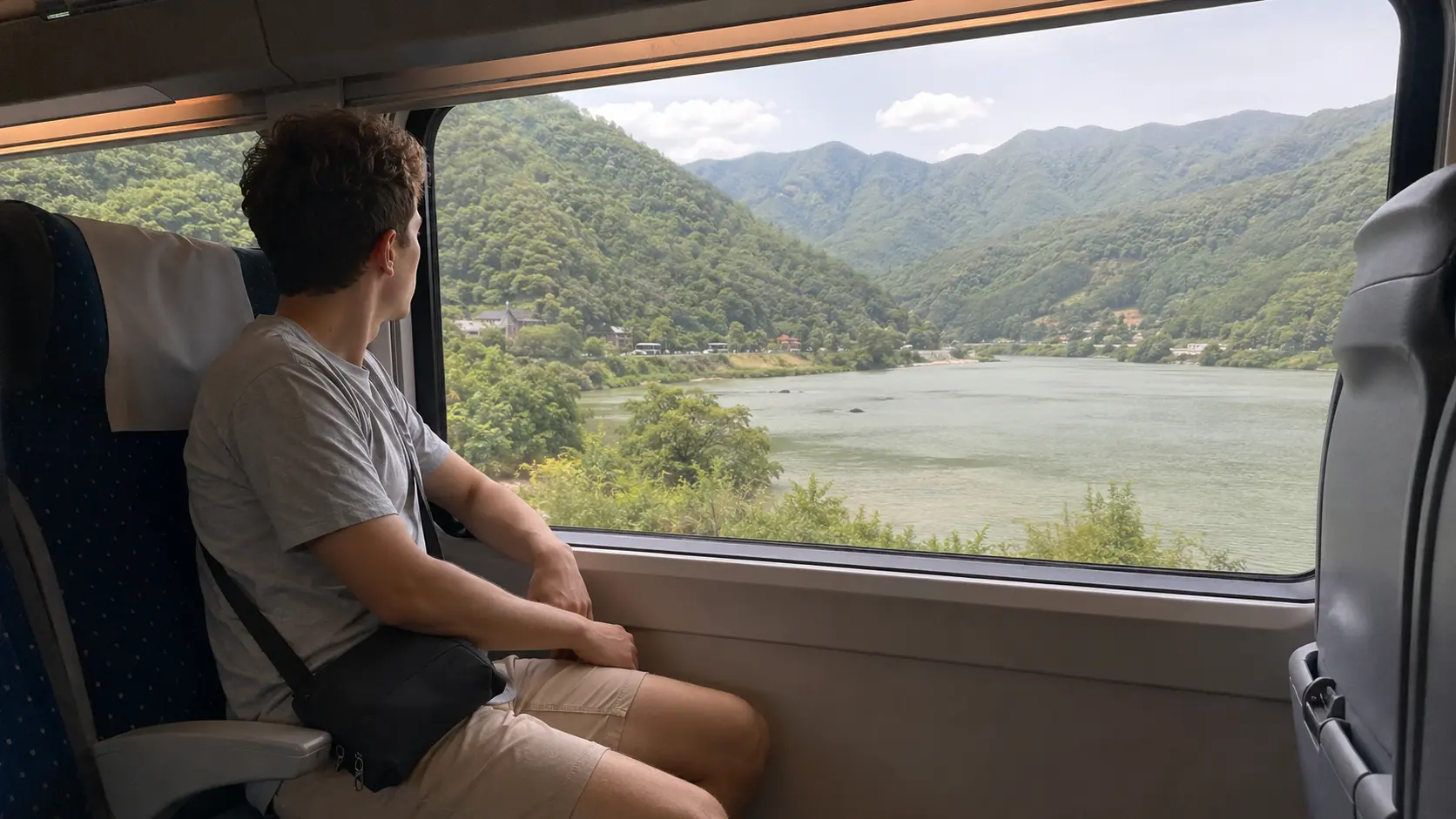
There’s also a slower option. The Gyeongchun subway line runs from Sangbong or Cheongnyangni all the way to Gapyeong for about ₩2,500 with a T-money card. No reservation needed. But it takes nearly two hours, stops at every station, and seats aren’t guaranteed during peak times.
Once you reach Gapyeong Station, Nami Island is about a 5-minute taxi ride (₩4,800) or a local bus to the Gapyeong Wharf. Entry tickets include the round-trip ferry and cost around ₩16,000 to ₩19,000 depending on where you buy them. Online platforms like Klook sometimes offer discounted packages.
The timing trap. Most visitors spend 3 to 4 hours on Nami Island. That’s fine — unless you also plan to visit nearby spots like Petite France or the Garden of Morning Calm, which are spread far apart and require taxis or the Gapyeong City Tour Bus. Trying to do all three plus Nami in one day usually means rushing through everything and panicking about the return train.
The last ITX back to Seoul departs Gapyeong around 9:30 to 10 PM. But the last ferry from Nami Island runs until 9 PM (hours shift seasonally). Miss the ferry, and you’re stuck on the island overnight. This comes up in expat forums more often than you’d expect.
Route 2: Suwon Hwaseong Fortress — The Subway Stretch
Suwon sits about 30 kilometers south of Seoul. It’s reachable entirely by subway — no reserved tickets, no special apps, no military clearance. Just tap your T-money card and ride.
The Bundang Line gets you to Suwon Station in about 50 minutes from Gangnam area stations. Seoul Metro Line 1 also runs to Suwon but takes longer and is more crowded. From Suwon Station, the fortress area is a 15-minute walk or a short bus ride.
Hwaseong Fortress is a UNESCO World Heritage Site — a 5.7-kilometer wall built in the 1790s that wraps around the old city center. Walking the full circuit takes 2.5 to 3 hours. The fortress walls themselves are free to walk as of 2026 policy changes. The Hwaseong Haenggung palace inside charges a separate admission fee.
As far as day trips from Seoul for foreigners go, this route is the easiest logistically. No booking friction. No ticket system to navigate. You can leave whenever you want because trains run until midnight. It’s also the most underrated — foreigners often skip Suwon because it doesn’t photograph as dramatically as Nami Island. But the fortress, the surrounding Haenggung-dong cafe district, and Suwon’s food scene (especially the Galbi restaurants near Paldalmun Gate) fill a solid 5 to 6 hours without feeling forced.
One thing to know. The Suwon Hwaseong app provides free audio guides in English that trigger automatically as you walk near GPS points. Download it before you go — Wi-Fi coverage along the fortress walls is spotty.
Summer warning: the wall circuit is almost entirely exposed. Walking it at 2 PM in July means direct sun for three hours with no shade. Visit the palace and eat lunch during peak heat, then walk the walls after 5 PM when temperatures drop and the fortress lighting starts.
Route 3: DMZ Tour — The Booking Wall
Of all the seoul day trips foreigners ask about, the DMZ tops the list. It’s also the one with the most rules, the most confusion, and the highest chance of being turned away if you don’t prepare.
First, the basic fact: you cannot visit the DMZ independently. The Civilian Control Zone is a restricted military area. Foreigners need to join an authorized guided tour, submit passport details in advance, and pass security clearance. Walk-ins are not accepted under any circumstances.
There are two main tour types. The standard DMZ tour covers the Third Infiltration Tunnel, Dora Observatory, and Dorasan Station. It runs daily except Mondays and Korean national holidays, costs ₩55,000 to ₩75,000 per person, and takes about 5 to 6 hours including pickup from Seoul (usually Hongdae or Myeongdong). The JSA/Panmunjom tour — where you can step into the blue UN conference buildings at the border — requires booking at least 72 hours in advance. As of mid-2026, JSA access remains limited and subject to sudden closures due to security decisions by the UN Command.
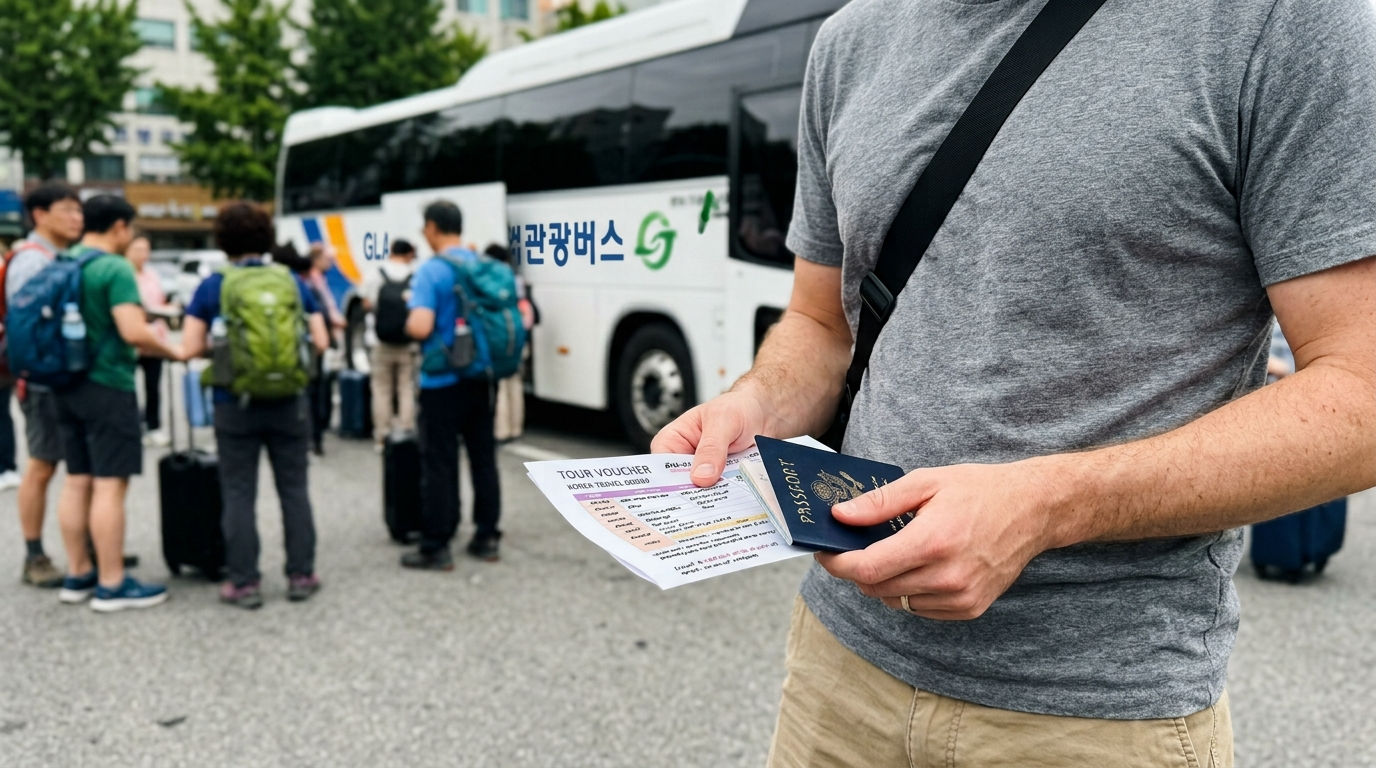
The friction points foreigners hit. First, you must bring your physical passport. Not a photo on your phone, not a photocopy — the original document. Second, some tours have dress codes, especially JSA tours. Flip-flops, sleeveless tops, and ripped jeans can get you turned away at the gate with no refund. Third, photography rules change zone by zone. Your tour guide will tell you exactly where you can and can’t shoot. Violating photo rules can end the tour for your entire group.
Booking through Klook, KKday, or Viator is the standard route. Most agencies accept foreign credit cards and handle all the military paperwork. If you’re booking directly through a Korean agency’s website, expect the same payment gateway problems that affect most Korean sites — foreign cards failing at the authentication step.
Tours typically depart at 7:00 to 7:30 AM and return by 1:00 to 2:00 PM for half-day options, or 4:00 to 5:00 PM for full-day tours. This is a morning commitment — you can’t casually decide to go at noon.
What Doesn’t Fit in a Single Day
Some destinations get marketed as seoul day trips foreigners should try — but they really aren’t practical for a single day.
Gangneung is a 2-hour KTX ride each way. You can technically go and come back in a day, but you’ll spend 4 hours on trains and have maybe 5 hours on the ground. That’s a full day of transit for a brief visit. Gyeongju is even farther — closer to 2.5 hours by KTX. These are overnight trips. Trying to force them into a day creates the kind of exhaustion that ruins the next two days of your trip.
Jeju Island requires a flight. It’s not a day trip from Seoul by any definition, even though some travel sites list it that way. Plan at least two nights.
Incheon’s Chinatown and Wolmido are technically reachable by subway in about 70 minutes, but the attractions there fill roughly 2 to 3 hours. It’s more of a half-day outing than a proper day trip. Fine if you’re looking for something low-effort, but it won’t feel like you left Seoul.
The Return Timing Problem Nobody Warns You About
Every one of the seoul day trips foreigners attempt lives or dies on the return schedule. And the return leg is where people consistently get caught.
Gapyeong/Nami: The last ITX departs Gapyeong around 9:30 to 10 PM. The Gyeongchun Line subway runs later but takes nearly two hours. The last Nami Island ferry leaves by 9 PM at the latest (check seasonal hours — winter ferries end earlier). If you’re combining Nami with another Gapyeong attraction, start working backward from the ferry time, not the train time.
Suwon: Subway trains run until roughly midnight. This is the most forgiving route for return timing. You can comfortably stay for dinner and evening fortress views without worrying.
DMZ: The tour bus handles everything. You’ll be back in Seoul by early to mid-afternoon for half-day tours. No return timing stress — unless your tour runs long and you had afternoon plans in Seoul.
Use Naver Map to check real-time departure schedules the day of your trip. Google Maps does not provide reliable transit routing in Korea — the data is incomplete and frequently wrong for train/bus times outside Seoul.
One more thing. If you miss the last train from Gapyeong, a taxi back to Seoul will cost ₩80,000 to ₩120,000. It happens. Knowing this number in advance takes some of the panic out of the situation.
A Few Things Worth Clarifying
Do I need to book train tickets in advance for Nami Island?
For the ITX-Cheongchun, yes — it’s reserved seating only. Buy tickets through letskorail.com, at the station counter, or through third-party sites like Trip.com if the Korail payment gateway rejects your foreign card. The Gyeongchun Line subway doesn’t require reservations — just tap your T-money card. Weekday ITX trains to Gapyeong rarely sell out, so same-day station counter purchases usually work fine. Weekend morning departures are tighter. If you’re visiting during cherry blossom season (late March to early April) or peak autumn foliage (late October), book at least 2 to 3 days ahead. For more on Korean train booking problems foreigners face, that guide covers the payment system in detail.
Can I visit the DMZ without joining a tour?
No. The area beyond the Civilian Control Line is a restricted military zone. You need an authorized tour operator, advance passport registration, and military clearance. Imjingak Tourist Complex near the border is accessible without a tour — you can take a bus there from Seoul — but it’s not inside the DMZ itself. For the tunnel, observatory, and any JSA access, a guided tour is the only legal option for foreigners.
Where to Go From Here
Seoul day trips foreigners actually enjoy share one thing in common — picking one route and committing to it. Gapyeong for scenery and the ITX experience. Suwon for history and the easiest logistics. The DMZ for something you literally can’t do anywhere else on Earth.
The difference between seoul day trips foreigners remember fondly and ones that end in frustration comes down to one thing: check the return schedule before you leave, not after you arrive. Download Naver Map. Bring your passport if you’re heading to the DMZ. And if someone tells you Gangneung or Gyeongju is a “day trip” — they’ve either never done it, or they don’t mind spending their vacation on trains.
For transportation logistics, the express bus guide covers intercity bus booking issues, and the payment guide explains why Korean payment gateways reject foreign cards — a problem that shows up at every ticket counter and booking site mentioned in this article.
Pick the route. Check the last departure. Go.
Eric Youn lived abroad for over 15 years and writes practical Korea living guides based on firsthand experience.