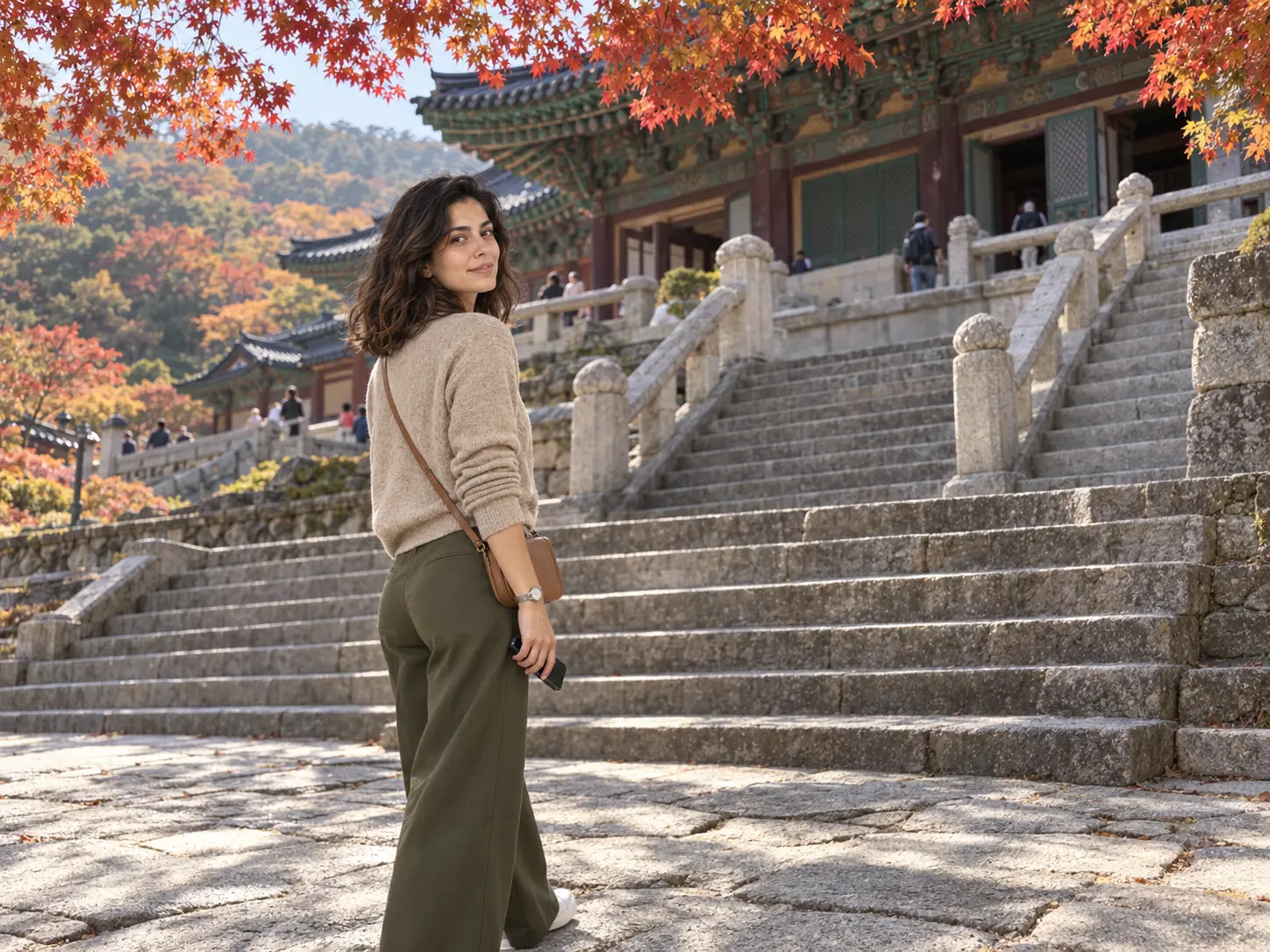
Gyeongju Station is not really in Gyeongju. Not the part you came for, anyway. The KTX stop sits roughly 15 km from the tomb parks and Wolji Pond, and the old downtown station that older travel blogs still point to stopped running trains in December 2021. That single detail reshapes how a trip to Gyeongju, Korea plays out when you arrive without a car.
Rental counters near the station do steady business off that gap. And the logic makes sense on paper: Silla-era temples and tombs scattered across a wide valley, bus maps written mostly in Korean, a timetable you can’t quite read. A car feels like insurance.
It mostly isn’t. The historic core is flat and close enough to walk. Two loop buses reach the big temple. The real friction sits in a handful of specific places — a station name that changed, a mountain bus that runs about once an hour, and a loop that goes in two directions with very different stop orders. Here’s where a car-free plan holds up, where it slips, and how people get past the slips without losing half the day.
The Gyeongju Most First-Timers Picture
Most visitors build their plan for Gyeongju, Korea from photos. Bulguksa’s stone stairways, the grassy tomb mounds, Wolji Pond glowing at night. In those photos, everything looks like it’s next door to everything else.
So the mental picture goes something like this: step off the train, walk into the old capital, see the temple before lunch, catch the night lights, head back. Maybe rent a car to be safe.
Three assumptions sit under that picture. The station is downtown. Bulguksa is “in town.” And one bus — or one app — will handle the rest.
None of the three is quite right. That doesn’t mean the trip is hard. It means the order you do things in matters more than the transport you pick.
What Works Fine in Gyeongju, Korea Without Wheels
Start with the good news, because there’s a lot of it.
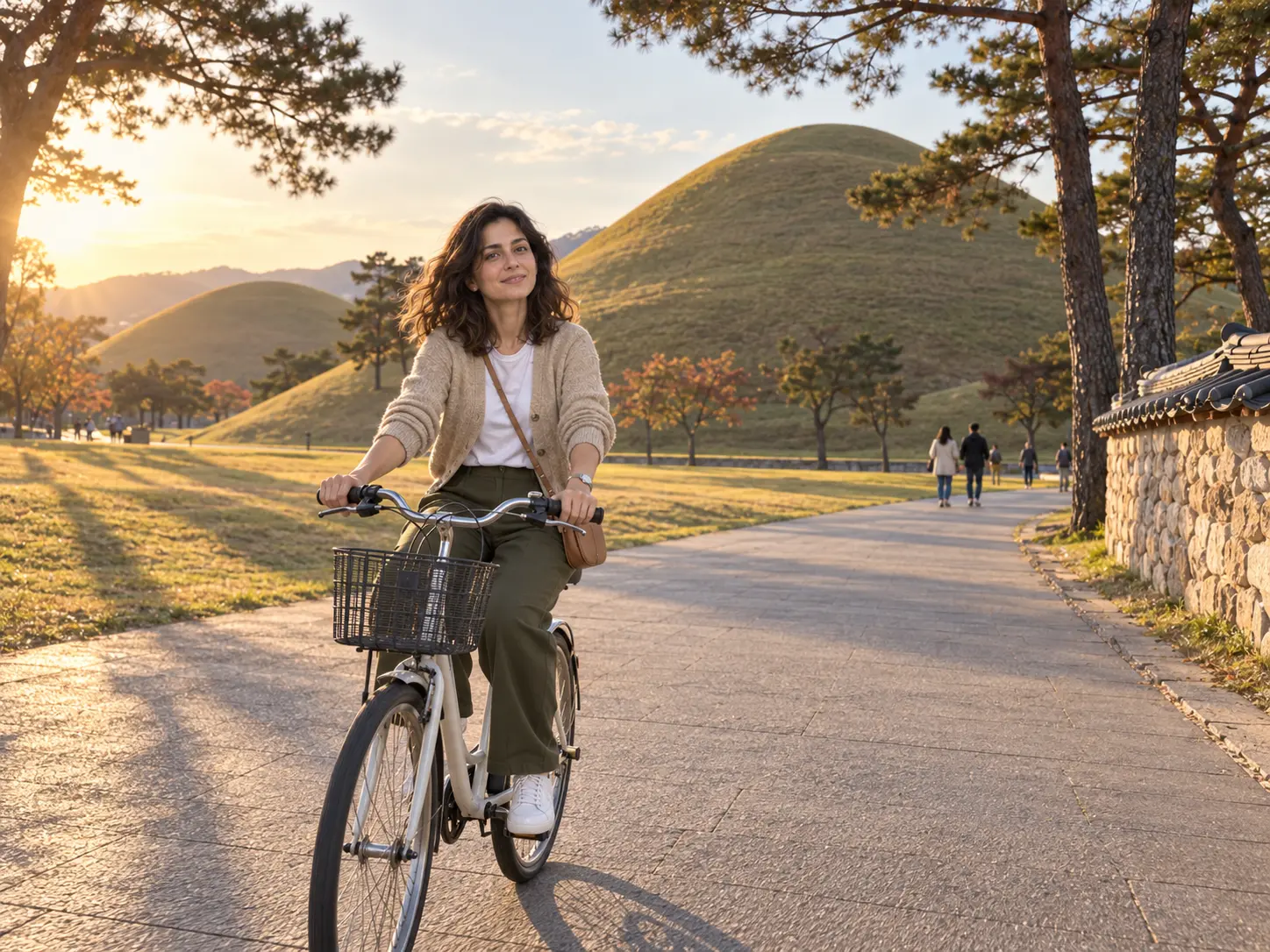
The central heritage zone is genuinely walkable. Daereungwon tomb park, Cheomseongdae observatory, Gyerim forest, Gyochon village, Woljeonggyo bridge and Donggung Palace with Wolji Pond all sit along flat paths within roughly 2 km of each other. Bikes rent by the hour around Daereungwon and the Hwangnidan-gil café streets, and the paths between the tombs are about as gentle as cycling in Korea gets.
For the outer sites, two loop buses do most of the work. Bus 10 and Bus 11 run from the downtown bus terminals out to Bulguksa, just in opposite directions. Bus 10 heads out past Bomun Lake first. Bus 11 goes past the national museum and Wolji Pond side first. Stops are announced in English as well as Korean, which helps more than people expect.
From the KTX station, Bus 700 runs through downtown and continues to Bulguksa. A faster variant, Bus 711, runs only around ten times a day — useful if the timing lines up, not something to plan around blindly.
Here’s how the main legs roughly compare. Treat the ride times as typical, not guaranteed; traffic and weekend crowds stretch them.
| Leg | City bus | Typical ride | Worth knowing |
|---|---|---|---|
| Gyeongju Station (KTX) → downtown terminals | 50, 60, 61, 70, 700 and others | 30–40 min | Exit 1, bus stop on the right |
| Gyeongju Station (KTX) → Bulguksa | 700 (711 on fewer runs) | 50–70 min | Roughly hourly; skips a transfer |
| Downtown terminals → Bulguksa | 10, 11, 700 | 40–50 min | 10 and 11 take different paths |
| Bulguksa → Seokguram | 12 | 15–20 min + a short walk | About once an hour |
| Busan → downtown Gyeongju | Intercity bus | Around 50 min | Lands within walking distance of the tombs |
Taxis fill the small gaps well. A short hop between two central sites usually costs little more than a couple of bus fares, and drivers in Gyeongju are used to tourists showing a place name on a phone screen.
Where a Car-Free Plan Actually Breaks Down
The problems aren’t spread evenly. They cluster in a few spots around Gyeongju, Korea, and almost all of them are about timing or naming rather than distance.
The station name changed. The KTX station used to be called Singyeongju. On December 28, 2023, it was renamed Gyeongju Station. Meanwhile the original Gyeongju Station downtown — the one with the old tiled roof — closed to trains back in 2021 and now works as a cultural space. Older blog posts, saved map pins and a few apps still mix the two up. Anyone who types “Gyeongju Station” into the wrong tool can end up walking to a handsome building with no trains, at night, with a suitcase.
If a train ticket was booked after 2023 and says Gyeongju, it means the KTX station on the edge of the city. Full stop.
Seokguram runs on its own clock. The grotto sits up on Tohamsan, above Bulguksa, and Bus 12 is the only regular bus up. It runs about once an hour. Miss one and you’re looking at a long wait in a parking lot with a vending machine and a view.
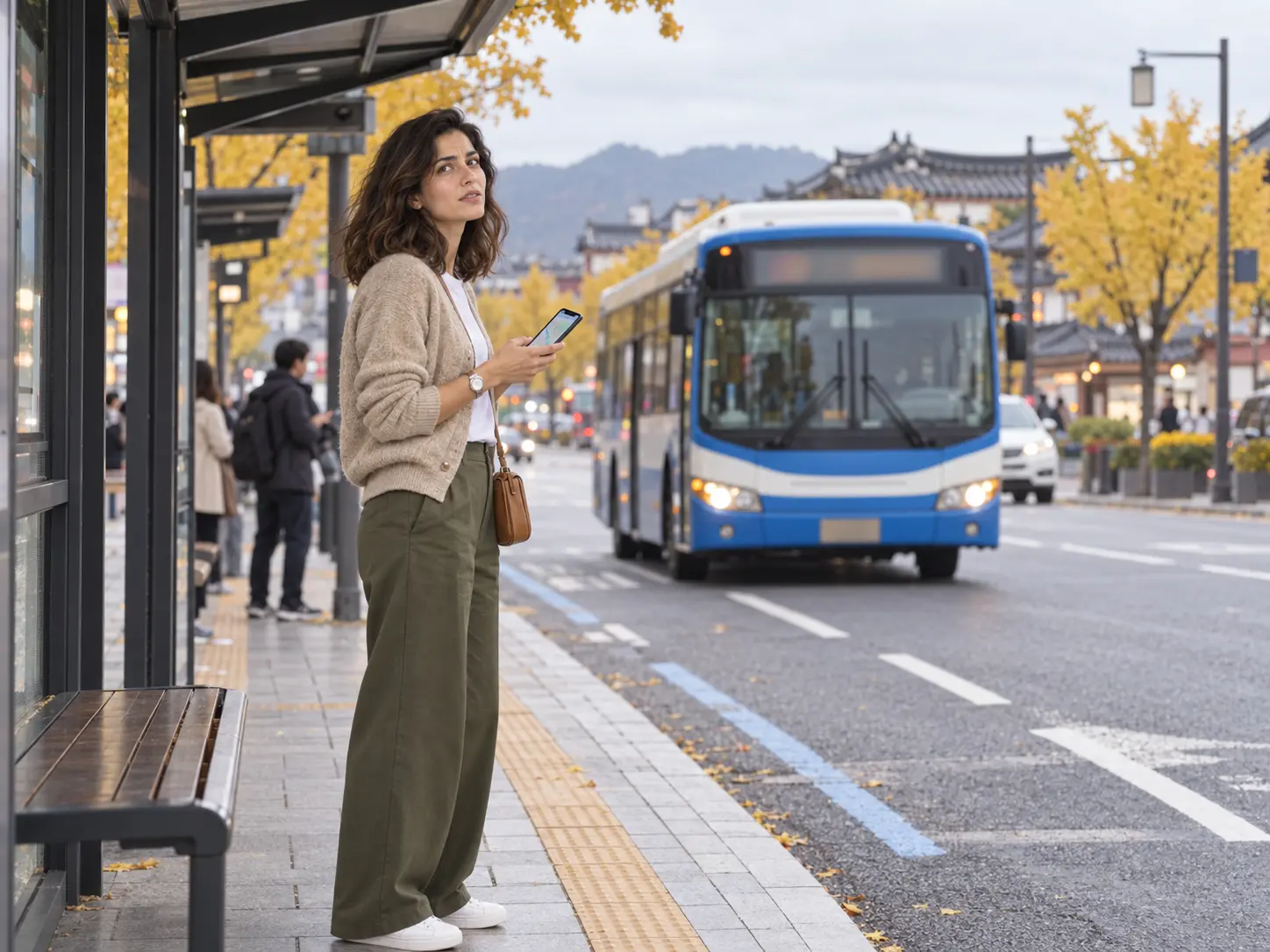
The loop direction catches people too. Hop on Bus 10 when your plan assumed Bus 11, and the ride goes the long way through the Bomun Lake resort area first. Nothing goes wrong, exactly. You just arrive at Bulguksa noticeably later than you planned. On weekends in autumn, both loops can be standing-room-only from the terminal.
Then there’s lodging. Hotels around Bomun Lake show up on map apps looking central, but they sit several kilometers east of the tomb parks. Walking back from Wolji Pond after the lights come on isn’t a realistic option, and the last loop buses don’t wait for the night crowd.
And closing times are earlier than the photos suggest. Bulguksa generally stops admitting visitors around late afternoon, with exact hours shifting by season. Someone who leaves Busan late, connects through the KTX station and arrives at the temple gate at 4:30 has, in practice, already lost the temple for that day.
Working Around the Weak Spots
Each of those gaps has a fairly simple fix, and none of them needs a rental car. Most of what makes Gyeongju, Korea easy by bus comes down to sequence.
Pick your first stop before you pick your bus. If Bulguksa comes first, ride Bus 700 straight from the KTX station and skip downtown entirely. If the tomb parks come first, take any downtown bus and leave the temple for the next morning. Coin lockers at the KTX station, near the tourist information desk, take a suitcase off your hands either way.
For Seokguram, the move most guidebooks underplay: take Bus 12 up, then walk down. A forest trail connects the grotto area to Bulguksa — roughly 2–3 km, mostly downhill, about an hour at an easy pace. You skip the return wait, and the walk is pleasant enough in cooler months that plenty of visitors call it the highlight. Decent shoes help. So does checking that the trail is open after heavy rain.
Then get the order of the day right. Temples in the morning, before the tour buses roll in. The flat central zone in the afternoon, on foot or by bike. Wolji Pond after dark, when the reflections are the whole point. If your bed is out at Bomun Lake, that’s the one leg where a taxi earns its fare.
Coming from Busan? The KTX looks faster — about 35 minutes to Gyeongju Station. But that station is 30-plus minutes from the sights by bus. The intercity bus from Busan takes around 50 minutes and drops you next to the downtown terminals, a short walk from Daereungwon. Door to door, the slower-looking option often wins. The Busan travel guide and the express bus booking guide cover the Busan side of that choice; if you’re set on rail, the KTX booking walkthrough explains where foreign cards tend to fail.
For live bus arrivals, Naver Map or Kakao Map does what Google Maps can’t really do in Korea — the map app comparison explains why. Payment is the easy part in Gyeongju, Korea: a T-money card from Seoul or Busan works on Gyeongju city buses too.
One last option for those who want the temple area quiet at dawn: spend the night there. Bulguksa-area templestay programs put you on the mountain before the first bus arrives. The temple stay guide covers what that format actually involves.
Three Questions That Come Up Before the Trip
Is one day enough for Gyeongju without a car?
For the highlights of Gyeongju, Korea, yes — if the day starts early. Bulguksa and Seokguram in the morning, the central zone in the afternoon, Wolji Pond at dusk. What a single day can’t absorb is a wrong turn: one missed Bus 12 or a late arrival from Busan, and something drops off the list. Two days remove that pressure almost entirely.
Do I need cash for the buses?
Not usually. Transit cards like T-money work on Gyeongju city buses, and tapping is quicker than paying cash on a crowded loop bus. Cash is generally still accepted, but drivers can’t always break large notes, so small bills or coins help if you go that route.
Can I cycle to Bulguksa instead of taking the bus?
Possible, but it’s a different kind of ride. The temple is roughly 16 km from downtown by road, with traffic and a long climb at the end. Most visitors keep the bike for the flat central zone and take the bus out to the temple.
Before You Board: Five Things to Confirm
- Your ticket’s “Gyeongju” means the KTX station on the city’s edge, not the old downtown building.
- You know whether Bus 10 or Bus 11 matches the order of your day.
- You’ve checked the Bus 12 times from Bulguksa, or you’re planning to walk down from Seokguram.
- Your hotel’s real distance from Wolji Pond — not just its map pin — and how you’ll get back after dark.
- Temple admission hours for the season you’re visiting, especially if you arrive after midday.
What It Comes Down To
Gyeongju, Korea rewards people who plan the sequence, not the vehicle. The core is walkable, the loop buses reach the temple, and taxis patch the night leg. What trips up car-free visitors is almost never distance — it’s a renamed station, an hourly mountain bus, or a loop ridden the wrong way round.
Get those three straight and a car can easily become the thing that slows you down, especially on autumn weekends when the lots near the big sites fill early. Schedules do change between seasons, so check current timetables through VisitKorea and train times through Korail before you go.