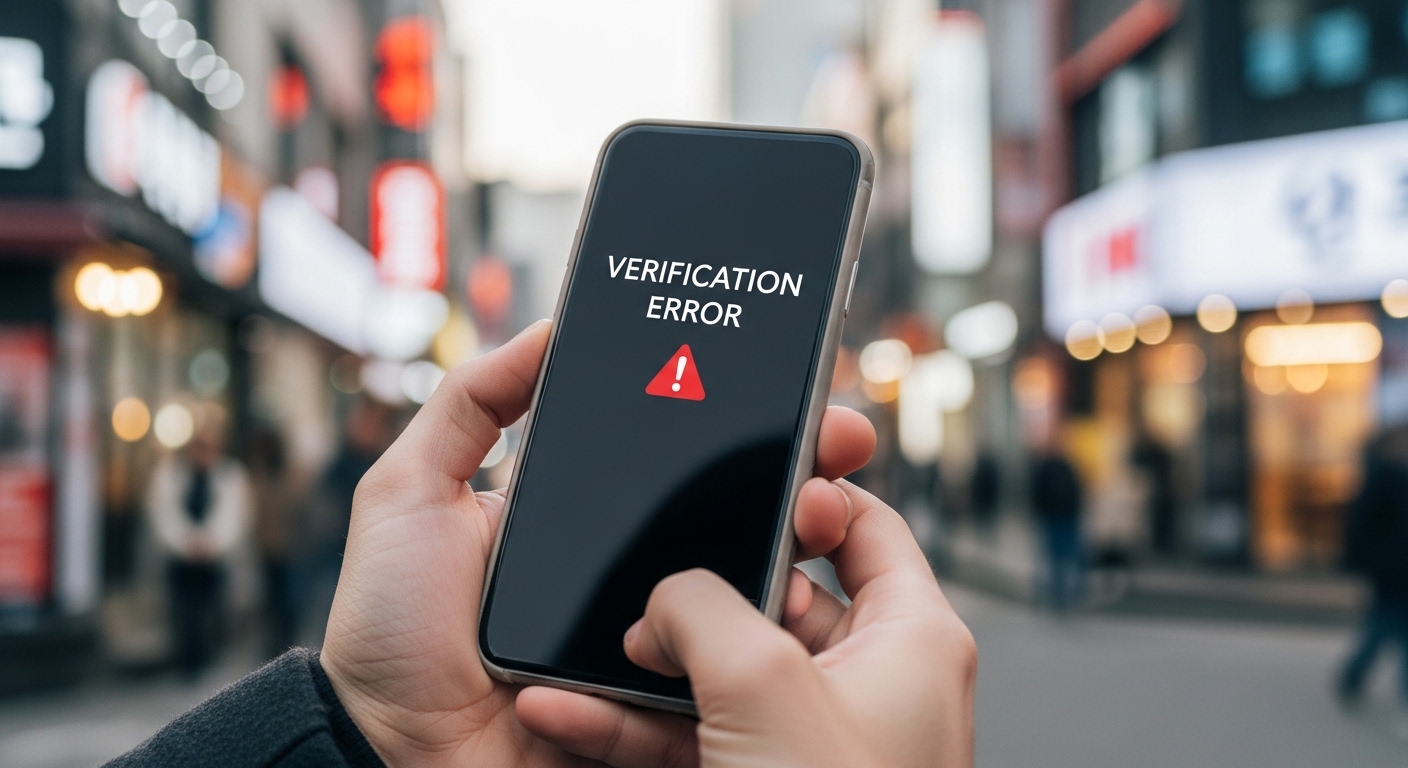
Phone number verification Korea foreigners encounter often becomes an issue only after arrival, not at the moment a SIM card starts working. Calls connect, data functions, yet certain services reject the number during verification. These situations usually reflect how the phone number is registered within Korean verification systems, rather than technical problems with the device itself.
This guide focuses on how phone number verification works in Korea, the points where foreigners most commonly face limitations, and the registration conditions that tend to influence verification outcomes across essential services.
Why Korean Verification Systems Work Differently
In many countries, phone number verification checks whether an SMS code can be received and entered. In Korea, verification for certain services often extends beyond SMS delivery.
Phone number verification Korea foreigners encounter frequently involves checks against carrier-level identity registration records. When a service requires this level of confirmation, it verifies whether the phone number is linked to an identifiable user record within the carrier’s system.
This approach developed because Korean digital services often integrate with national identity infrastructure. Financial institutions, government portals, and even some commercial apps rely on this connection to confirm that the person using a phone number matches official records. This integration is more thorough than in many other countries. The Ministry of Science and ICT oversees telecommunications policy that shapes how these verification systems operate.
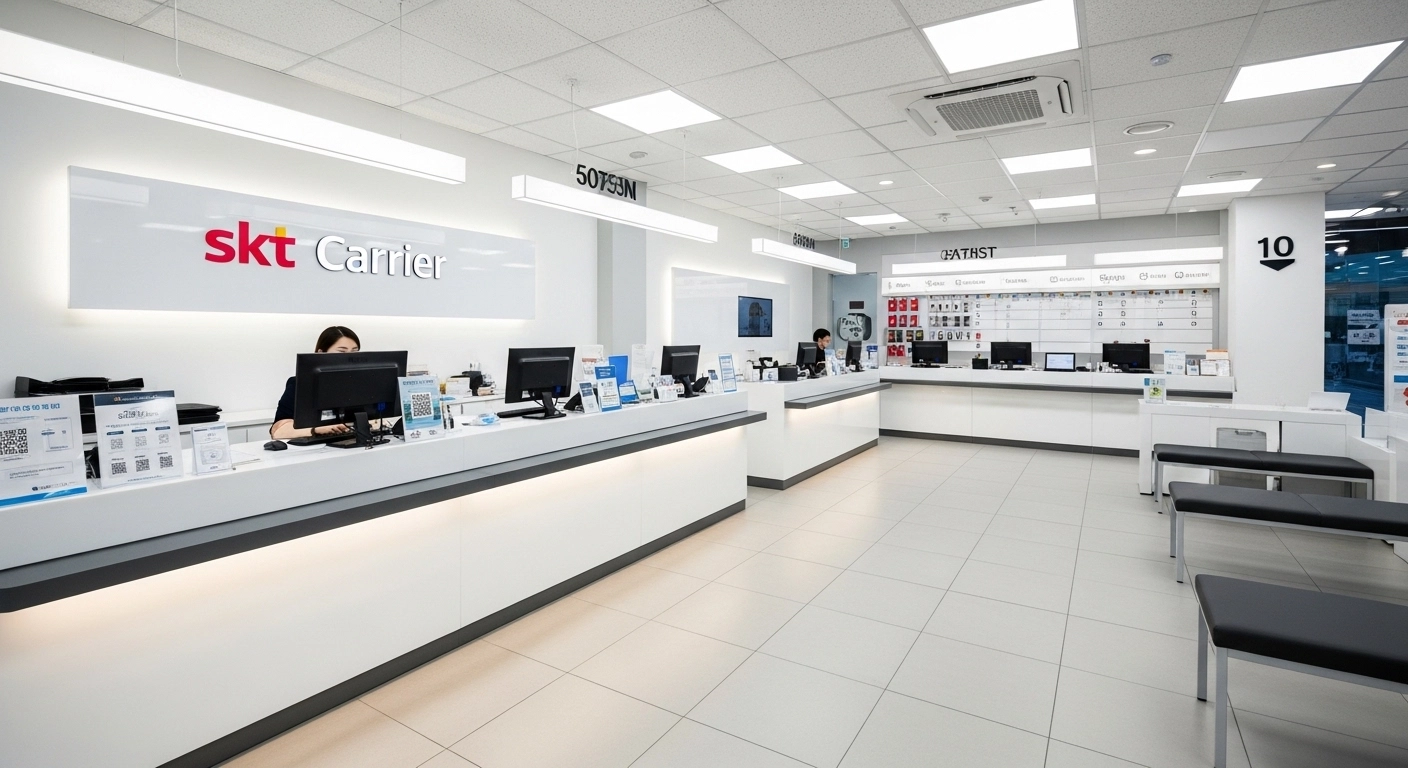
For Korean citizens, this linkage is usually created automatically at sign-up through their resident registration number. For foreigners, verification success depends on registration method, documentation used, and whether identity linkage was completed during activation. This distinction is not always explained at the point of purchase.
The verification system does not necessarily distinguish between “real” and “fake” numbers in the way some people assume. A phone number can be completely legitimate for communication purposes while still lacking the identity connection that certain services require. This creates confusion because the phone appears to work normally until verification is attempted.
Common Situations Where Foreigners Face Verification Limits
Verification limits often become visible when services require identity confirmation rather than simple contact validation. Delivery apps, banking platforms, and public service portals commonly apply these checks.
Delivery and food ordering services sometimes reject phone numbers that lack identity linkage. The verification code may arrive, but the system still refuses to complete registration. This happens because the service checks carrier records beyond just SMS delivery capability.
In banking and payment-related systems, phone verification is frequently part of identity confirmation workflows. If a phone number is not recognized as identity-linked, account registration may not proceed even when personal documents are valid. Banks typically require this verification layer before allowing access to online banking features or card issuance.
Government portals present similar patterns. Accessing tax records, applying for certain permits, or completing administrative registrations online often requires phone number verification Korea foreigners find difficult to pass with short-term SIM registrations.
The pattern across these situations is consistent: services that involve financial transactions, official records, or identity-sensitive functions tend to require deeper verification than services focused purely on communication or content delivery. Recognizing this pattern helps set realistic expectations about which services will work immediately and which may require additional steps.
Phone Number Verification Korea Foreigners Need: How Plan Types Affect It
The way a phone number is classified within verification systems is influenced by how the mobile plan is registered, not by call or data performance. A phone can work perfectly for communication while still failing identity verification checks.
Short-term prepaid SIM cards are commonly registered for connectivity only. They fulfill the immediate need for calls and data but often lack the identity linkage that verification systems check. This becomes apparent only when attempting to use services that require deeper confirmation.
Contract-based plans with major carriers are more likely to include identity linkage as part of the registration process. When foreigners sign up with an Alien Registration Card at a carrier store, the registration typically connects the phone number to identity records. This connection is what allows phone number verification Korea foreigners need for banking and government services.
MVNOs vary depending on how registration is handled. Some provide full identity linkage; others operate closer to prepaid models. The service may function identically for calls and data while differing significantly in verification capability. Price differences between carriers sometimes reflect these registration differences, though not always in obvious ways.
Differences between these registration models are discussed in more detail in:
Choosing a Mobile Plan in Korea.
Why These Issues Often Appear After Arrival
Many foreigners begin with airport SIM cards designed for immediate connectivity. These typically function well for short-term communication needs. Messaging apps work, maps load, and calls connect without issue.
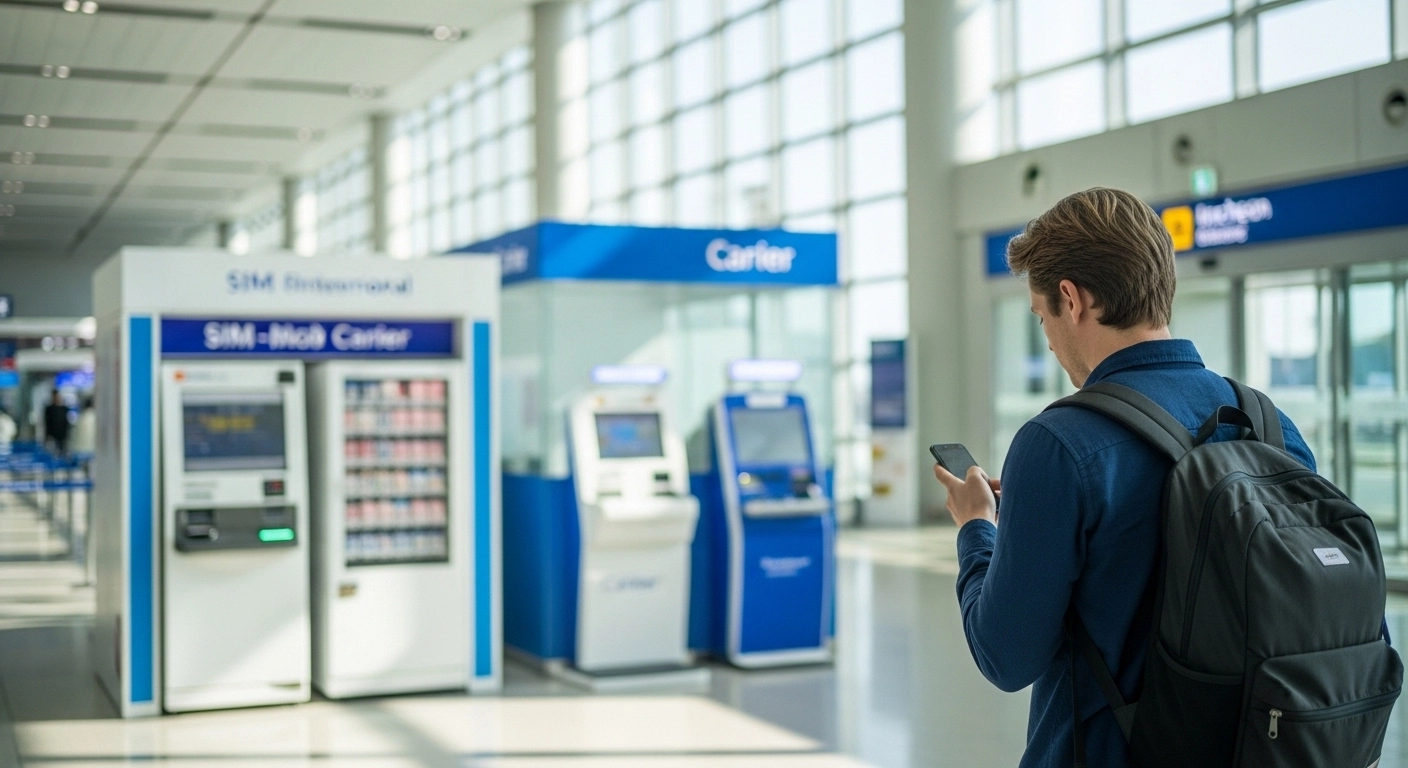
The first weeks often pass without verification problems because initial activities rarely require identity confirmation. Setting up social media, browsing the internet, and making restaurant reservations typically work with any functional phone number.
As daily life expands to include banking, payments, and public services, phone number registration history becomes relevant. This timing creates frustration because the phone number has already been shared with contacts and integrated into various accounts. Discovering limitations at this stage means choosing between workarounds and starting over with a new number.
The transition from tourist-level connectivity to resident-level service access is where most verification issues surface. This transition often happens gradually, making it difficult to anticipate which services will require identity-linked verification until the moment of attempted registration.
Considerations for initial SIM selection are covered in:
Korean SIM Card for Foreigners.
How Verification Issues Affect Other Processes
When phone verification fails, related processes often pause or require additional steps. Banking applications and administrative registrations are common examples where verification forms a required step in longer workflows.
Bank account applications typically require phone verification before proceeding to document review. If the number fails this step, the application cannot move forward regardless of other documentation being complete. This creates delays that extend the timeline for accessing local banking services.
Some government registrations follow similar patterns. Online portions of administrative processes may require verified phone numbers even when in-person steps have been completed successfully. Knowing some Korean phrases for government offices helps with in-person visits, but phone verification operates as a separate requirement.
The cumulative effect of these delays can extend settling-in timelines significantly. What might take a few days with proper verification capability can stretch to weeks when workarounds are needed or when switching to a different phone plan becomes necessary.
How phone verification interacts with account opening timelines is covered separately in:
Bank Account Korea Foreigner.
Interpreting Verification Failures
Verification failures generally indicate registration conditions rather than temporary system errors. Common factors include missing identity linkage or mismatched registration records between what the service expects and what the carrier provides.
When verification fails, the issue usually traces back to how the phone number was originally registered. Contacting the carrier to understand the registration type can clarify whether the number has identity linkage capability or was registered for connectivity only.
Some services offer alternative verification paths for foreigners, though these are not always prominently displayed. Email verification or in-person identity confirmation may be available for certain platforms. Asking customer service directly about foreigner-specific options occasionally reveals alternatives.
Understanding that phone number verification Korea foreigners experience operates through carrier registration records helps frame expectations appropriately. The issue is usually systemic rather than personal, which means solutions typically involve registration changes rather than repeated verification attempts.
Further context on SIM registration scenarios is available in:
Korean SIM Card for Foreigners.
Settling In With Fewer Verification Surprises
Phone number verification Korea foreigners encounter reflects how phone numbers are integrated into Korean identity verification systems. The connection between mobile registration and identity confirmation creates patterns that differ from verification experiences in other countries.
Understanding these conditions early helps reduce unexpected delays as daily life becomes more structured. Most verification issues trace back to registration type rather than technical problems, which means the choice of mobile plan and registration method carries longer-term implications than initial connectivity needs might suggest.
For foreigners planning extended stays, considering verification capability alongside price and data allowance tends to prevent complications later. The inconvenience of addressing phone number verification Korea foreigners face after problems arise often exceeds the effort of selecting an appropriate plan initially. From that foundation, other settling-in processes tend to proceed with fewer interruptions.
Related Reading
These guides cover related decisions that affect your experience in Korea: