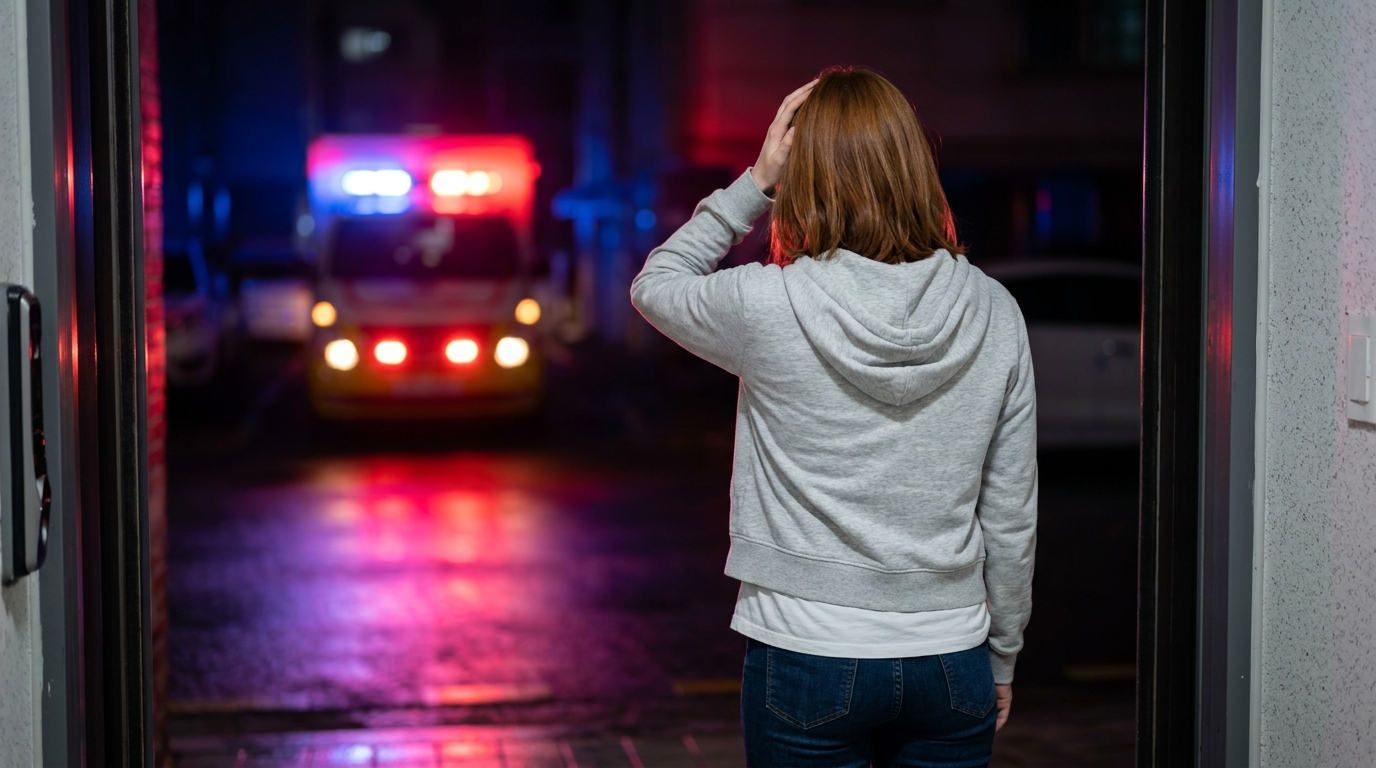
Korea emergency numbers foreigners are told to memorize usually stop at two: 119 and 112. That’s the problem. When something actually goes wrong — a roommate collapsing at 2 a.m., a stolen bag, a visa question that can’t wait until Monday — the hard part isn’t remembering a number. It’s knowing which line picks up in your language, at what hour, and what to say in the first five seconds.
A version of this story shows up in expat forums again and again: someone riding in an ambulance with a friend, a fast and professional 119 dispatcher on the line — and the person themselves stuck repeating “hospital” louder, because nobody had told them the one phrase that brings an interpreter into the call.
This article walks through the numbers in the order they matter: life and safety first, then the interpretation bridge, then the lines you’ll actually use as a resident. Save them tonight — not the night you need them.
Why the Order You Save These Matters
If you grew up with a single number like 911, Korea’s system takes a mental adjustment. Fire, ambulance, and rescue live on one line. Police live on another. Immigration, medical questions, and crisis counseling each have their own hotline, their own operating hours, and their own level of language support.
That split is exactly why order matters. In a real emergency, you don’t have time to scroll through a blog post — including this one. The korea emergency numbers foreigners end up dialing under stress are whatever sits in their contacts, labeled clearly, in the sequence their brain will search for them.
So this guide is structured as a saving order, not a phone directory. Two numbers for when life or safety is on the line. One number that puts an interpreter between you and everyone else. Three numbers for the slower problems that still feel urgent when they’re yours.
Step 1 — Korea Emergency Numbers Foreigners Need for Life and Safety: 119 and 112
119 is fire, ambulance, and rescue. It works 24 hours a day from any phone — including a foreign phone with no Korean SIM, and even a locked screen through the emergency call option. Ambulance dispatch for genuine emergencies is free, though hospital treatment afterward is billed separately.
The operator will answer in Korean. This is the moment most foreigners panic, and it’s also the moment that needs exactly three words: “English, please.” The dispatcher can bring an interpreter into the call for a three-way conversation. Connection can take a short while, and the operator may keep speaking Korean during the wait — they’re usually narrating the process, not ignoring you.
Whatever happens, don’t hang up.
The second bottleneck is location. Korea’s dispatch system can trace your position through cell towers or GPS, but naming a nearby landmark, a convenience store chain, or a subway exit number gets help to you faster than an address you can’t pronounce. Anyone arriving in Korea should save their home address in both Korean and English in their phone’s notes on day one. It sounds trivial until the night it isn’t.
112 is police — crimes, threats, accidents, or that uneasy feeling that someone is following you. It also runs around the clock, and a nationwide interpretation service exists here too, though the staffed interpretation hours can be narrower than 119’s, so a late-night call may involve more waiting. One detail worth knowing: 112 also accepts reports by text message, which helps when speaking isn’t safe or possible.
Step 2 — 1330: The Interpretation Bridge When Korean Fails You
1330 is the Korea Travel Hotline, run by the Korea Tourism Organization. On paper it’s a tourist information line. In practice, it’s the single most useful number in this article for anyone whose Korean isn’t strong yet.
Here’s why. If you explain your situation to a 1330 operator in English, they can call 119 or 112 on your behalf and stay on the line as a live interpreter — a three-way bridge between you and the emergency dispatcher. The hotline itself runs 24 hours in English, Japanese, and Chinese, and from 8 a.m. to 7 p.m. in Russian, Vietnamese, Thai, and Malay/Indonesian. Hours for full three-way interpretation support can be more limited, though, so treat it as a strong backup rather than a guaranteed replacement for calling 119 directly.
It’s not only for disasters, either. Stuck in a taxi where nothing is getting through? Arguing with a phone rental counter? 1330 does everyday interpretation too. Plenty of long-term residents only discover 1330 after a year or two here — and wish someone had mentioned it on day one.
Step 3 — The Resident Lines: 1345, 1339, and 1577-1366
These three won’t send an ambulance. They handle the slower emergencies — the ones that don’t threaten your life but can quietly wreck your week, your visa, or your peace of mind. In practice, these are the korea emergency numbers foreigners dial far more often than 119.
| Number | What it handles | Hours & language notes |
|---|---|---|
| 1345 | Immigration Contact Center: visa, ARC, sojourn status, extensions | Weekdays 9 a.m.–10 p.m. in about 20 languages, including Vietnamese, Thai, Mongolian, Indonesian, Russian, Nepali, and Chinese; after 6 p.m. only Korean, English, and Chinese |
| 1339 | KDCA medical call center: disease information, symptom questions, where to go when you’re not sure it’s an emergency | 24/7; interpretation support may involve a connection wait |
| 1577-1366 | Danuri Helpline: crisis counseling and emergency support, originally for migrant women and multicultural families | 24/7 in 13 languages |
If you’re in Korea on an Employment Permit (E-9) or a visit-employment visa (H-2), one more number belongs in your contacts: 1577-0071, the foreign worker counseling line under the Ministry of Employment and Labor, which handles workplace problems such as unpaid wages, workplace changes, and contract disputes.
1345 deserves a special note. Visa and residency questions are exactly the kind of problem that feels like an emergency at 9 p.m. on a Sunday and turns out to be a ten-minute phone call on Monday. Before you spiral, check the official portal at HiKorea (hikorea.go.kr) or call 1345 during weekday hours.
1339 fills the gap between “this is nothing” and “call an ambulance.” Odd symptoms at midnight, medication questions, wondering whether a fever needs a hospital tonight or a clinic tomorrow — that’s this line, operated under the Korea Disease Control and Prevention Agency (KDCA). For anything a pharmacist could settle instead, the over-the-counter rules are covered in what Korean pharmacies will and won’t sell foreigners.
And if you live in Seoul, one bonus: the Dasan Call Center at 02-120 answers city-life questions in five languages on weekday business hours.
A note on accuracy: operating hours and language coverage for these hotlines change over time, and this article is general information — not medical or legal advice. In any situation involving immediate danger to life or safety, call 119 or 112 first, and verify current hotline details through the official sites linked above.
Where People Get the Order Wrong
The same mistakes repeat, and most of them are order problems rather than knowledge problems.

Mistake one: dialing the wrong tier. Calling 119 about a lost passport wastes a dispatcher’s time; calling 1330 while someone is unconscious wastes yours. The dividing line is simple — if a delay of minutes could cause harm, it’s 119 or 112. Everything else has a slower, better-matched line.
Mistake two: hanging up when Korean starts. Interpretation on the korea emergency numbers foreigners call most is real, but it’s not instant. People hear Korean, assume no one can help, and end the call — which resets the whole process. Staying on the line is the single highest-value habit in this entire article.
Mistake three is skipping the address prep. The interpreter can translate your words, not your location. If the only version of your address you know is the one on your lease PDF, tonight is a good night to fix that — the logic behind Korea’s two address formats is untangled in the guide to why the Korean address system trips up foreigners.
Mistake four: assuming your status matters. It doesn’t. These lines respond regardless of visa type, and the ambulance doesn’t check your ARC before it leaves the station. Emergency numbers take five minutes to save; the rest of a first month in Korea takes longer to line up.
Questions That Come Up Most
Do 119 and 112 work without a Korean SIM card?
Yes. Emergency numbers connect from foreign phones, phones without any SIM, and locked screens through the emergency call function. No Korean phone number, no problem — for these two lines specifically. Some of the other hotlines may behave differently on foreign roaming plans, which is one more reason to sort out a local number early.
Will I be charged for the ambulance?
A 119 ambulance for a genuine emergency is free, including for foreigners. Hospital treatment after arrival is a separate bill, and what you pay there depends heavily on your insurance situation — the coverage gap between arrival and enrollment is exactly what breaks people, as explained in what fails with health insurance between arrival and ARC.
What happens after the ambulance arrives — do I choose the hospital?
Paramedics generally take you to an appropriate nearby hospital based on your condition; requesting a specific private hospital can change the cost picture. What the emergency room and reception process actually look like from a foreigner’s seat is walked through in the five blind spots of a hospital visit in Korea.
Before You Close This Tab: Save These Five
- 119 — Fire · Ambulance · Rescue (24/7, say “English, please”)
- 112 — Police (24/7, text reports accepted)
- 1330 — Korea Travel Hotline, interpretation bridge to 119/112
- 1345 — Immigration Contact Center (weekdays, visa & ARC questions)
- 1577-1366 — Danuri Helpline, 24/7 crisis counseling in 13 languages
Label each contact with what it does, not just the digits. “1330 — interpreter” will mean something at 2 a.m. in a way that “1330” won’t. Together with 1339 for medical questions, 1577-0071 if you’re on an E-9 or H-2 visa, and, in Seoul, 02-120, these are the korea emergency numbers foreigners should have saved before their first week ends.
What This Comes Down To
The korea emergency numbers foreigners actually need fit on one phone screen: two for danger, one for language, three for the slow-burning problems of living here. None of them require fluent Korean. All of them require you to have saved them before the moment you’re shaking too hard to search.
Five contacts. One quiet evening. That’s the whole assignment.
Hotline hours, language coverage, and procedures can change — always confirm current details through official government sources, and in immediate danger, call 119 or 112 first.